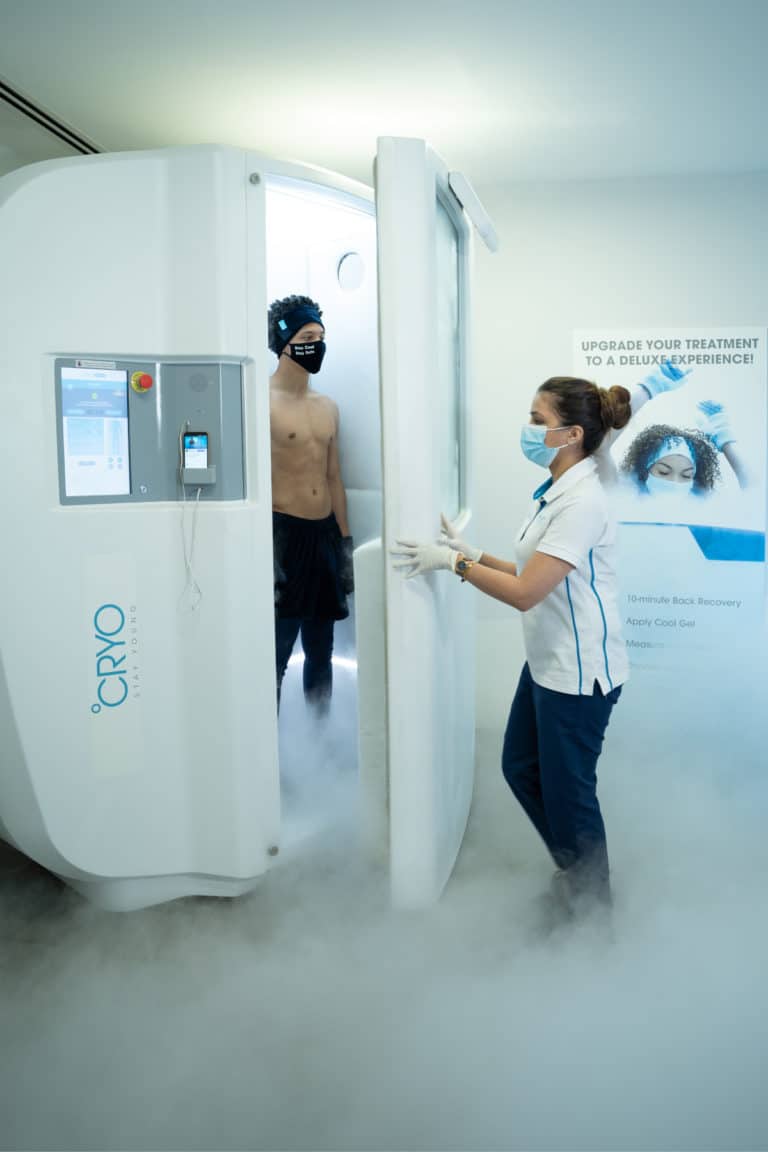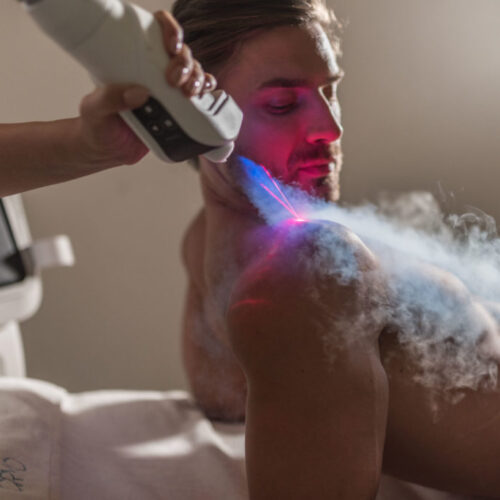
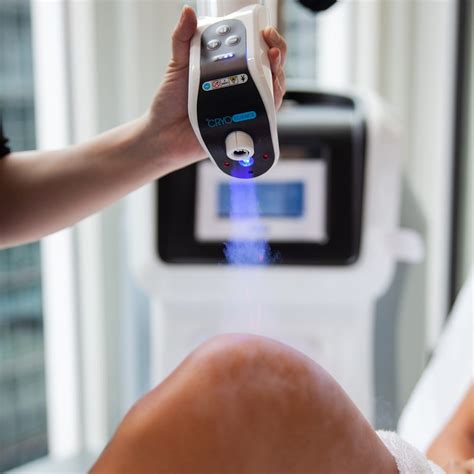

Cold therapy, or cryotherapy, is a type of treatment in which the body is exposed to extremely low temperatures for brief periods of time. The origins of this practice can be traced to the ancient Greeks and Egyptians, who employed cold therapies for a variety of medical conditions. Cryotherapy has become more & more well-liked as a recuperation and wellness technique in recent years, especially among athletes and fitness enthusiasts. Whole-body cryotherapy (WBC) is the most popular type of modern cryotherapy.
Key Takeaways
- Cryotherapy involves exposing the body to extremely cold temperatures for therapeutic purposes.
- Cryotherapy works for recovery by reducing inflammation, decreasing muscle soreness, and promoting faster healing.
- The benefits of cryotherapy for muscle soreness include reduced pain, improved muscle function, and quicker recovery after intense exercise.
- Cryotherapy can aid in injury recovery by reducing swelling, relieving pain, and accelerating the healing process.
- In addition to physical benefits, cryotherapy can also provide mental health benefits such as reducing stress, anxiety, and depression.
- Cryotherapy can help athletes recover faster by reducing muscle fatigue, improving recovery time, and enhancing overall performance.
- Risks and considerations for cryotherapy include potential skin irritation, frostbite, and the need for proper supervision and guidance during treatment.
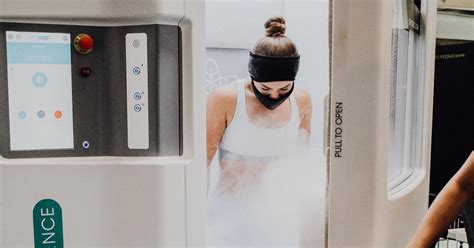
It entails standing for two to four minutes in a specially designed chamber or room that is cooled to subzero temperatures. The body is thought to react physiologically to this intense cold exposure in a number of ways, such as vasoconstriction (blood vessel narrowing) and endorphin release, which may help with pain management and mood enhancement. Cryotherapy proponents assert a number of advantages, including decreased soreness in the muscles, quicker recuperation, and improved general health. Owing to the treatment’s possible benefits for both mental and physical health, the health & wellness sector has taken notice. To completely comprehend the long-term effects and effectiveness of cryotherapy for various conditions, more research is necessary, despite the fact that some studies point to positive outcomes.
Modern cryotherapy chambers have increased public accessibility to the treatment, which has added to its rising appeal. As with any medical or wellness procedure, those who are thinking about cryotherapy should speak with medical experts to find out if it’s a good fit for their particular requirements & medical issues. Mitigating Inflammation and Pain. Blood vessels narrow in cold environments, decreasing blood flow to the body’s extremities.
It is thought that this vasoconstriction aids in the reduction of swelling and inflammation, which is advantageous for healing from strenuous exercise or trauma. It can also temporarily relieve pain & lessen muscle soreness by numbing nerve endings due to the cold temperature. Increasing the Rate of Natural Healing Processes. The body naturally produces endorphins, which are painkillers, & being in cold temperatures can encourage the release of these chemicals. For people recovering from physical exertion or injury, these endorphins can help reduce pain & elevate mood.
| Benefits of Cryotherapy for Faster Recovery |
|---|
| Reduced muscle soreness |
| Decreased inflammation |
| Improved circulation |
| Accelerated healing of injuries |
| Increased energy levels |
Moreover, cryotherapy is thought to hasten recovery by bolstering the body’s inherent healing mechanisms. The generation of anti-inflammatory proteins & other biochemical compounds that aid in the repair of damaged tissues and aid in healing can be stimulated by exposure to cold temperatures. Enhancing Blood Flow and Hemodynamic Response. Improved oxygenation and circulation of tissues are believed to result from cryotherapy, and this can help the body eliminate waste materials and deliver nutrients. This increased blood flow can hasten the healing process and lessen the likelihood of tired and sore muscles.
Cryotherapy promotes healing, increases circulation, lowers inflammation, eases pain, and promotes healing—all of which can hasten the healing process following physical strain or injury. Cryotherapy is a well-liked treatment among athletes and fitness enthusiasts because it has been demonstrated to have many advantages for treating muscle soreness. Reducing muscle inflammation and swelling is one of cryotherapy’s main advantages for treating sore muscles.
Blood vessels constrict during cryotherapy, which can help lower inflammation and blood flow to the muscles by exposing the body to low temperatures. This decrease in inflammation may aid in the relief of soreness in the muscles and hasten the healing process following strenuous exercise. Also, cryotherapy has the ability to temporarily numb nerve endings, which lessens discomfort brought on by sore muscles.
The ability of cryotherapy to promote the release of endorphins, the body’s natural analgesics, is another advantage for sore muscles. Endorphins, which can lessen pain & elevate mood, can be released during cryotherapy when the patient is exposed to low temperatures. Those who experience muscle soreness following vigorous physical activity or exercise may find this natural pain relief especially helpful. Cryotherapy is also thought to hasten recovery by bolstering the body’s inherent healing mechanisms. Cold exposure can increase the synthesis of proteins that reduce inflammation and other biochemical compounds that aid in tissue repair and wound healing. Cryotherapy can help with muscle soreness in a number of ways, including pain relief, inflammation reduction, and accelerated recovery from strenuous exercise.
Because cryotherapy can reduce inflammation, ease pain, and encourage healing in damaged tissues, it has been used as an injury recovery treatment. Blood vessels constrict when the body is exposed to low temperatures during cryotherapy, which can lessen inflammation and blood flow to the injured area. This decrease in inflammation may aid in reducing post-injury pain and swelling, hastening the healing process. Also, cryotherapy has the ability to temporarily numb nerve endings, which lessens discomfort from the injury.
Cryotherapy is also thought to increase the synthesis of proteins with anti-inflammatory properties & other biochemical compounds that aid in the healing and repair of injured tissues. Being in cold environments can accelerate the body’s natural healing processes, assisting in the restoration of damaged tissues and facilitating a quicker recovery. Cryotherapy also helps increase tissue oxygenation and circulation, which helps facilitate the delivery of nutrients and the elimination of waste from the injured area. This increased circulation can hasten the healing process & lower the possibility of injury-related complications. Cryotherapy relieves pain, promotes healing, lessens inflammation, & improves circulation in injured tissues, among other advantages for injury recovery.
Cryotherapy has been demonstrated to have various mental health advantages in addition to its physical ones, which can enhance general wellbeing. Cryotherapy stimulates the release of endorphins, which are the body’s natural painkillers, and this is one of the main benefits it has for mental health. Cryotherapy, which involves being in extremely cold temperatures, can cause the release of endorphins, which have the potential to reduce stress and anxiety as well as elevate mood.
People who are feeling emotionally distressed or mentally exhausted may find this natural mood enhancer especially helpful. Cryotherapy has also been demonstrated to improve mental health by lowering stress and anxiety levels. Cryotherapy involves exposure to low temperatures, which can trigger the body’s natural stress response mechanisms and lower stress hormones like cortisol. People may feel more at ease and relaxed as a result of this drop in stress hormones, which enhances general wellbeing. It has also been demonstrated that cryotherapy helps certain people get better quality and longer sleep. During cryotherapy, being exposed to low temperatures can help control sleep cycles and encourage relaxation, which can enhance the quality of sleep and mental health in general.
Stress reduction, mood enhancement, and better sleep quality are just a few of the mental health advantages that cryotherapy provides overall. lessening the inflammation. The ability of cryotherapy to lessen joint and muscle inflammation is one of the main advantages for athletes recovering from injuries. Cryotherapy causes the body’s blood vessels to constrict, which can lessen inflammation and blood flow to the muscles by lowering body temperature.
Reducing Pain and Soreness in the Muscle. Muscle soreness may be lessened and a quicker recovery from strenuous exercise may be encouraged by this reduction in inflammation. Also, cryotherapy can aid in the numbing of nerve endings, thereby reducing discomfort brought on by sore muscles and offering momentary pain relief.
After rigorous training sessions or competitions, athletes may find this pain relief especially helpful in recuperating. Encouraging the process of healing and recovery. Moreover, it’s thought that cryotherapy increases the synthesis of biochemical compounds and anti-inflammatory proteins that aid in the healing and repair of injured tissues. By facilitating the body’s natural healing processes, cryotherapy—which involves exposure to low temperatures—can help damaged tissues heal more quickly and expedite the recovery process following physical exertion. Even though cryotherapy offers a lot of potential advantages for healing and overall wellbeing, it’s vital to take into account any possible risks and restrictions.
The main danger associated with cryotherapy is the possibility of frostbite or skin damage from extended exposure to extremely low temperatures. Following the safety precautions and time constraints advised by qualified experts is crucial for patients receiving cryotherapy in order to reduce the possibility of frostbite or other skin damage. Also, some people may react negatively to cryotherapy treatments and have negative side effects like nausea, dizziness, or dyspnea. To make sure cryotherapy is safe for their particular medical history or set of conditions, it is crucial for anyone thinking about having this treatment to speak with a healthcare provider first.
Also, even though cryotherapy has been demonstrated to offer a host of potential advantages for recuperation and wellness, people should still include other recovery techniques into their daily routine, such as adequate nutrition, hydration, rest, and stretching. Rather than being the only means of recovery, cryotherapy should be utilized in conjunction with other therapeutic approaches. To sum up, cryotherapy has become more well-liked as a recuperation method for physical strain or injury because of its capacity to lower inflammation, ease soreness in the muscles, accelerate tissue healing, and enhance general health. Although cryotherapy has many potential advantages for healing and overall wellbeing, patients thinking about this course of treatment should be aware of any possible risks and restrictions.
Individuals can make well-informed decisions about integrating cryotherapy into their overall wellness routine by comprehending how cryotherapy for recovery functions & taking into account any potential risks or concerns related to this treatment.
FAQs
What is cryotherapy?
Cryotherapy is a treatment that involves exposing the body to extremely cold temperatures for a short period of time. This can be done using various methods, such as ice packs, ice baths, or cryo chambers.
How does cryotherapy work for recovery?
Cryotherapy is believed to help with recovery by reducing inflammation, decreasing muscle soreness, and improving circulation. The cold temperatures can also help to numb pain and promote the body’s natural healing processes.
What are the potential benefits of cryotherapy for recovery?
Some potential benefits of cryotherapy for recovery include faster muscle recovery, reduced muscle soreness, improved joint function, and increased energy levels. It may also help to speed up the healing process for injuries.
Are there any risks or side effects associated with cryotherapy?
While cryotherapy is generally considered safe, there are some potential risks and side effects to be aware of. These can include skin irritation, frostbite, and in rare cases, nerve or tissue damage. It’s important to follow proper safety guidelines and consult with a healthcare professional before trying cryotherapy.
Who can benefit from cryotherapy for recovery?
Athletes, fitness enthusiasts, and individuals recovering from injuries or surgeries may benefit from cryotherapy for recovery. It can also be used as a complementary treatment for conditions such as arthritis and chronic pain.
How often should cryotherapy be used for recovery?
The frequency of cryotherapy sessions for recovery can vary depending on individual needs and goals. Some people may benefit from daily sessions, while others may find that a few sessions per week are sufficient. It’s important to listen to your body and consult with a healthcare professional for personalized recommendations.