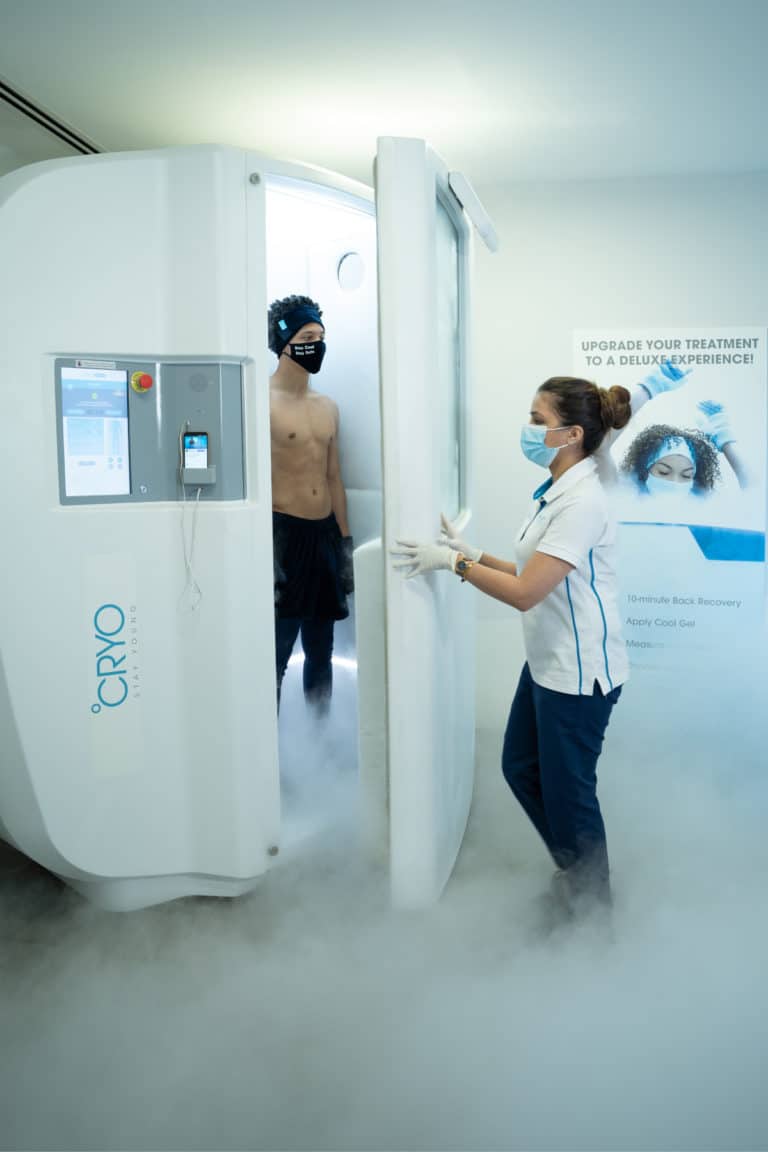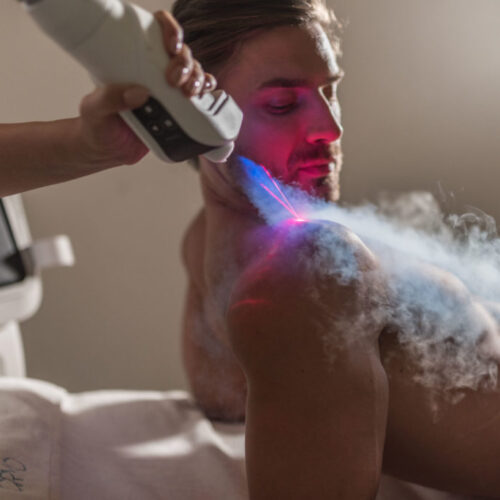


The body is exposed to extremely low temperatures for brief periods of time during cryotherapy, also known as cold therapy. Many techniques, such as ice packs, ice baths, & specialized cryotherapy chambers, can be used to achieve this. The basic idea of cryotherapy is to lessen pain and inflammation by narrowing blood vessels, which lowers blood flow to particular regions. This procedure may lessen edema, ease muscle aches, and accelerate the healing of damaged tissues. Since it was first used centuries ago as a natural way to relieve pain, cryotherapy has become more and more well-liked as a complementary treatment for a number of illnesses.
Key Takeaways
- Cryotherapy is a treatment that involves exposing the body to extremely cold temperatures for a short period of time to help with pain relief and other health benefits.
- Cryotherapy works for pain relief by reducing inflammation, numbing irritated nerves, and releasing endorphins, which are natural painkillers.
- The benefits of cryotherapy for pain relief include reduced muscle soreness, improved joint function, and accelerated recovery from injuries.
- Cryotherapy can benefit athletes, individuals with chronic pain conditions, and those recovering from injuries or surgeries.
- Potential risks and side effects of cryotherapy include skin irritation, frostbite, and dizziness, so it’s important to follow safety guidelines and consult with a healthcare professional before trying it.
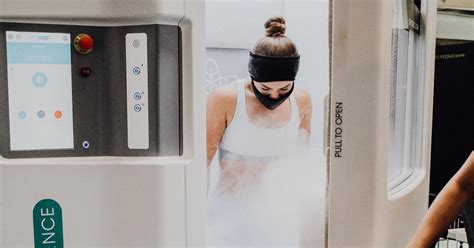
There are two main ways that cryotherapy can be used: localized cryotherapy and whole-body cryotherapy (WBC). WBC entails subjecting the whole body to temperatures well below freezing for a short period of time, usually in a specially designed chamber. Localized cryotherapy uses ice packs or cold air to target particular body parts. Both techniques are meant to relieve pain and encourage the body’s natural healing process.
Cryotherapy is frequently used by athletes to quicken their recuperation following rigorous training or competition, but it can also help people with chronic pain disorders or those recovering from injuries. One non-invasive, drug-free treatment option that may be beneficial for pain management and general well-being is cryotherapy. Lowering Swelling and Inflammation.
Blood vessel constriction occurs in response to cold exposure, which lessens inflammation and swelling in the afflicted area. Those with ailments like tendinitis, arthritis, or strained muscles may find this especially helpful. reducing spasms in the muscles and numbing the nerve ends. Cryotherapy’s ability to cause numbness in nerve endings can temporarily relieve pain. In order to manage acute pain or discomfort following surgery, this can be very beneficial.
| Benefits of Cryotherapy | Statistics |
|---|---|
| Reduction in pain and inflammation | 85% of patients reported pain relief |
| Improved recovery time | 70% faster recovery time for athletes |
| Boost in metabolism | 500-800 calories burned in a single session |
| Enhanced mood and energy levels | 90% of clients reported improved mood |
Cryotherapy can also help reduce muscle spasms by slowing down nerve impulses, which can help relieve pain & relax muscles. encouraging pain relief & natural healing. Because of these combined benefits, cryotherapy is a useful tool for pain management and accelerating the body’s healing process. The body naturally produces endorphins, which are painkillers, in response to cold temperatures, whether through localized treatment or whole-body cryotherapy.
This can lessen the perception of pain & promote a feeling of wellbeing. Cryotherapy offers a host of advantages for managing pain & may even improve general health. The body’s swelling & inflammation are reduced, which is one of the main advantages. Those who suffer from long-term inflammatory diseases like fibromyalgia or arthritis may find this especially helpful. Cryotherapy reduces inflammation, which helps people feel better and move more easily, making it easier for them to go about their everyday lives.
Cryotherapy can also facilitate quicker healing from wounds and strenuous exercise. Cryotherapy is a common tool used by athletes to ease soreness in their muscles & hasten the healing process following practice or competition. Quicker recovery and enhanced performance are made possible by the cold temperatures’ ability to constrict blood vessels and lessen tissue damage. Also, by temporarily relieving pain & numbing nerve endings, cryotherapy can aid in the management of chronic pain conditions.
For those who suffer from chronic back pain or neuropathy, this can be extremely helpful. Also, it has been demonstrated that the release of endorphins during cryotherapy treatment has a positive impact on mood. As lower stress levels & a sense of well-being are frequently linked to chronic pain conditions, this can help. All things considered, cryotherapy has advantages for pain management that go beyond mere physical discomfort and may even improve mental and emotional well-being. Athletes, people with persistent pain, and people recuperating from surgeries or injuries are just a few of the many people who can benefit from cryotherapy. Cryotherapy is a common tool used by athletes to expedite their recovery following strenuous training or competition.
Reduction of inflammation and soreness in the muscles can enhance performance & help avoid injuries. Also, because cryotherapy can reduce inflammation and offer momentary pain relief, people with chronic pain conditions like arthritis, fibromyalgia, or neuropathy may benefit from it. Also, cryotherapy is beneficial for patients recovering from surgeries or injuries because it can aid in the healing process and lessen discomfort. Higher mobility and a quicker recovery are made possible by the colder temperatures, which can reduce tissue damage and swelling. Also, cryotherapy may be a helpful treatment option for people searching for a natural and non-invasive way to manage their pain.
Cryotherapy can be beneficial for people looking for pain relief & better overall health, whether it is used as a whole-body treatment or only locally. Even though cryotherapy is usually regarded as safe, there may be risks and adverse effects to be mindful of. A primary concern is the possibility of frostbite or other skin damage from prolonged exposure to extremely low temperatures. In order to prevent skin injuries during cryotherapy sessions, it’s crucial to adhere to the recommended guidelines and avoid prolonged exposure.
Also, some people may react allergicly to cold weather, which can irritate their skin or cause hives. Also, if body temperature falls too low during whole-body cryotherapy sessions, there is a risk of hypothermia. Minimizing the risk of hypothermia requires professional supervision during sessions and careful monitoring of the body’s reaction to cold temperatures. It is also important for people with certain medical conditions, like heart disease or hypertension, to speak with a healthcare professional before beginning cryotherapy to make sure it is safe for them. It’s crucial to remember that not everyone can benefit from cryotherapy; those with specific medical issues or sensitivities may need to forego this course of treatment. Therefore, even though cryotherapy may be beneficial for pain management and general wellbeing, it’s important to be aware of the risks and adverse effects that may arise from this treatment.
Find a Reputable Facility by Researching It. It’s critical to do your homework and choose a reliable facility with qualified staff who can walk you through the process if you want to guarantee a safe and successful cryotherapy experience. Get Ready for the Session.
Drinking lots of water prior to your workout will help you stay hydrated and control your body temperature when exposed to cold temperatures. Wear as little clothing as possible to maximize skin exposure to the chilly temperatures. These usually consist of the facility’s underwear, gloves, socks, and slippers.
To avoid frostbite or other skin injuries, take off any metal accessories or jewelry before entering the cryotherapy chamber. Have a conversation with the staff. Prior to your session, it is imperative that you inform the staff at the cryotherapy facility of any medical conditions or concerns.
This will guarantee that the therapy is both safe & appropriate for your particular requirements. You can guarantee a safe & helpful experience by taking the required safety measures and being open with the medical staff supervising your care. Finally, due to its capacity to lower inflammation, numb nerve endings, lessen muscle spasms, and encourage the body’s natural healing processes, cryotherapy may be advantageous for both pain management and general health. This non-invasive, drug-free method, which can be used for localized or whole-body cryotherapy, can help injury or surgery recovery patients, athletes, and people with chronic pain. Nevertheless, it’s critical to take the appropriate safety measures before receiving treatment and to be aware of the possible risks and side effects related to cryotherapy.
In the end, your unique needs and medical background will determine whether cryotherapy is the best course of action for your pain management. To make sure cryotherapy is safe and appropriate for you, it is imperative that you speak with a healthcare professional before beginning. For a safe & successful experience, picking a reliable cryotherapy facility with qualified staff is also essential. Ultimately, even though cryotherapy may be beneficial for pain management and general wellbeing, it’s crucial to use caution & be aware of any possible risks and limitations when pursuing this course of treatment.
FAQs
What is cryotherapy?
Cryotherapy is a treatment that involves exposing the body to extremely cold temperatures for a short period of time. This can be done through various methods such as ice packs, ice baths, or cryotherapy chambers.
How does cryotherapy work for pain relief?
Cryotherapy works by numbing the affected area and reducing inflammation, which can help alleviate pain. The cold temperature constricts blood vessels, which can also reduce swelling and provide temporary relief from pain.
What conditions can cryotherapy help with?
Cryotherapy can be used to help manage pain associated with conditions such as arthritis, muscle soreness, sports injuries, and post-surgical recovery. It can also be used to alleviate pain and inflammation in specific areas of the body.
Are there any risks or side effects associated with cryotherapy?
While cryotherapy is generally considered safe, there are some potential risks and side effects to be aware of. These can include skin irritation, frostbite, and in rare cases, nerve damage. It’s important to follow proper safety guidelines and consult with a healthcare professional before undergoing cryotherapy.
How long does the pain relief from cryotherapy last?
The duration of pain relief from cryotherapy can vary depending on the individual and the specific condition being treated. Some people may experience immediate relief that lasts for several hours, while others may require multiple sessions for longer-lasting effects.
Is cryotherapy suitable for everyone?
Cryotherapy may not be suitable for everyone, particularly those with certain medical conditions such as Raynaud’s disease, cold allergies, or nerve damage. It’s important to consult with a healthcare professional to determine if cryotherapy is a safe and appropriate treatment option for you.