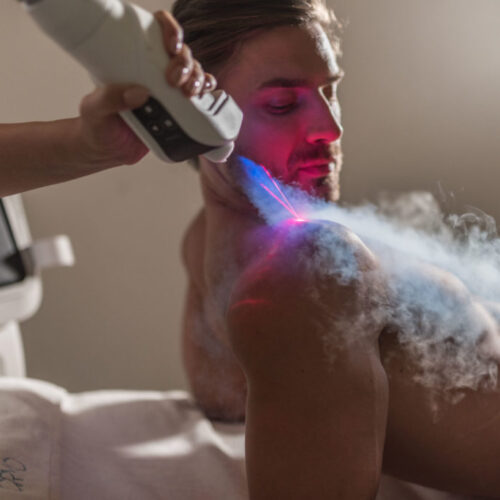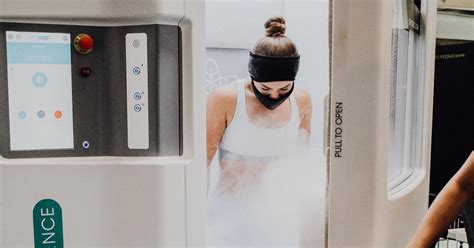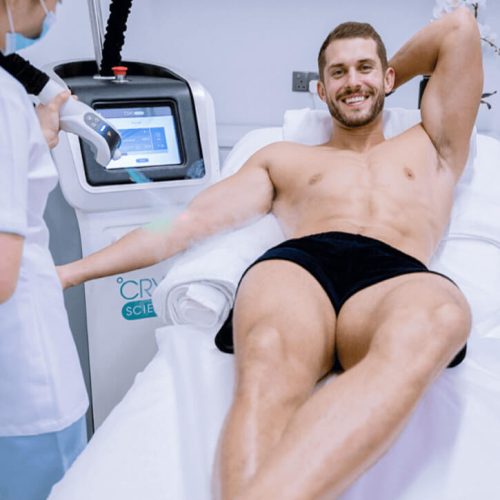
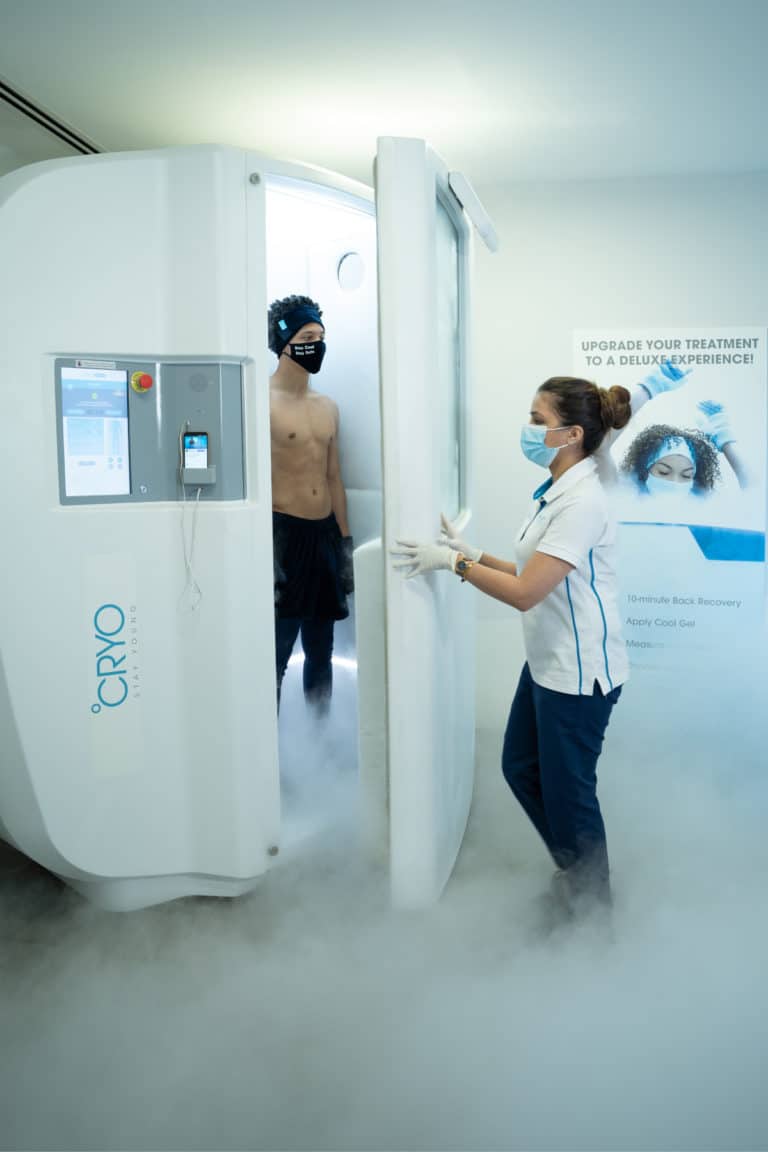

The medical procedure known as cryotherapy, also known as cold therapy, involves briefly subjecting the patient’s body to extremely low temperatures. There are several ways to achieve this, such as using ice packs, ice baths, & specialized cryo-chambers. Lowering inflammation, easing pain, and improving general health and well-being are cryotherapy’s main goals.
Key Takeaways
- Cryotherapy is a treatment that involves exposing the body to extremely cold temperatures for a short period of time.
- The science behind cryotherapy involves the body’s natural response to cold, which can help reduce inflammation and pain.
- Physical benefits of cryotherapy include reduced muscle soreness, improved recovery, and increased energy levels.
- Cryotherapy can also have mental and emotional benefits such as reducing stress, anxiety, and improving mood.
- Athletes often use cryotherapy to speed up recovery, reduce muscle fatigue, and enhance performance.
Cryotherapy has become increasingly popular in recent years as people seek treatment for a variety of health issues, ranging from arthritis to muscle soreness. There are two primary ways that cryotherapy can be used: either as a whole-body treatment or as localized treatment for particular body parts. Whole-body cryotherapy is thought to have broader effects on the body than localized cryotherapy, which concentrates on specific areas of pain or inflammation.
Cryotherapy is a compelling choice for people looking into alternative therapy modalities because both techniques are believed to provide a number of advantages for both physical and mental health. Healing and Inflammation Reduction. The efficacy of cryotherapy resides in its capacity to lessen inflammation and encourage the body’s natural healing process. Blood vessels narrow in response to low body temperature, which lowers blood flow to the afflicted area.
This reduction in blood flow has the potential to lessen pain and accelerate healing by reducing swelling & inflammation. Rapid Pain Reduction and Systemic Effect. There’s also the immediate pain relief benefit of the cold temperature’s ability to numb nerve endings.
| Benefits of Cryotherapy Chambers | Metrics |
|---|---|
| Reduced Inflammation | Percentage of participants reporting decreased inflammation |
| Improved Muscle Recovery | Average time for muscle recovery post-cryotherapy |
| Increased Energy Levels | Self-reported energy levels before and after cryotherapy sessions |
| Enhanced Mental Well-being | Percentage of participants reporting improved mood and mental clarity |
Beyond its ability to reduce inflammation, whole-body cryotherapy is believed to offer new advantages. The body goes through a series of reactions when it is exposed to extreme cold, which can have a variety of physiological effects. Enhancing the Innate Healing Mechanisms. This involves boosting norepinephrine levels, a hormone that can help elevate mood & enhance cognitive performance, as well as releasing endorphins, which are organic painkillers. In addition to encouraging the body’s natural healing processes, the cold temperature also increases circulation and encourages the synthesis of collagen and elastin, all of which can enhance the health of the skin.
According to the science underlying cryotherapy, it can be a useful treatment for lowering pain & inflammation, encouraging healing, and enhancing general health and wellbeing. Numerous physical advantages of cryotherapy can enhance general health and wellbeing. Its capacity to lessen pain & inflammation is one of cryotherapy’s main advantages. This is especially helpful for people with injuries, muscle aches, or arthritis, among other conditions. Cryotherapy can instantly relieve pain and discomfort by lowering inflammation and numbing nerve endings.
Cryotherapy helps lessen pain and inflammation while also enhancing circulation and accelerating the body’s healing process. Blood vessels constrict in response to low body temperature, which lowers blood flow to the affected area. When the body begins to warm up again, blood flow increases and new nutrients & oxygen are delivered to the area, aiding in the healing process. Moreover, by aiding in the body’s removal of toxins & metabolic waste products, this increased circulation can further enhance general health.
Cryotherapy has also been demonstrated to improve skin health. The cold temperature has the ability to increase the synthesis of elastin and collagen, two substances that are necessary for keeping skin looking young and healthy. Moreover, improved skin tone & texture can result from increased circulation, giving the appearance of renewed and refreshed skin.
Cryotherapy provides a number of mental and emotional advantages in addition to its physical ones. The ability of cryotherapy to lower stress & anxiety is one of its main mental health benefits. Endorphins are natural painkillers that can also elevate mood that are released when the body is exposed to cold temperatures. Cryotherapy is an option for treating people who have mental fatigue or brain fog because it also raises norepinephrine levels, which can enhance concentration and cognitive function. Also, it has been demonstrated that cryotherapy improves mood & general wellbeing.
After a cryotherapy session, many people claim to experience euphoria or a “natural high,” which can help elevate mood and lessen anxiety or sadness. Also, the chilly temperature may have a relaxing impact on the nervous system, easing tension and stress. Cryotherapy is a compelling choice for anyone wishing to enhance their general well-being due to its numerous psychological and emotional advantages. Cryotherapy has the potential to improve mental health in a number of ways, including lowering stress and anxiety & enhancing mood & cognitive performance.
Cryotherapy has long been used by athletes to improve performance and speed up recovery. After rigorous training sessions or competitions, athletes seeking to minimize muscle soreness and inflammation may find cryotherapy to be a compelling alternative due to its physiological advantages. Cryotherapy can aid athletes in recovering more quickly & returning to training sooner by lowering inflammation and encouraging the body’s natural healing process.
Cryotherapy provides psychological advantages as well as physical ones, which are especially helpful for athletes. Cryotherapy is a viable treatment option for individuals seeking to improve focus & mental clarity prior to a competition, as it releases endorphins and increases norepinephrine levels, both of which can improve mood and cognitive function. Sports performance has also been demonstrated to benefit from whole-body cryotherapy.
Cryotherapy lowers the risk of injury & aids in the improvement of overall muscle recovery by boosting circulation & collagen and elastin production. Athletes trying to maintain peak performance & prevent setbacks from overtraining or injuries may find this especially helpful. Cryotherapy has generally been used by athletes to increase performance, speed up recovery, and enhance general wellbeing. Cryotherapy has the potential to enhance athletic performance by eliminating muscle soreness and enhancing mental clarity. Applying Cryotherapy for Arthritis Treatment.
Treating arthritis is one of cryotherapy’s main medical applications. Cryotherapy can help reduce inflammation and provide instant pain relief, which can help relieve arthritis symptoms & enhance joint health in general. Cryotherapy for Skin Disorders. In addition, cryotherapy has been applied to treat dermatitis, psoriasis, & eczema, among other skin disorders. Those with chronic skin problems may find relief from the itching and inflammation brought on by these conditions due to the cold temperature. The use of cryotherapy in cancer treatment.
Also, some forms of cancer have been treated with cryotherapy. For those seeking less invasive treatments for specific cancers, cryoablation is an appealing alternative because it employs intense cold to kill cancer cells. When it comes to treating a variety of medical conditions, cryotherapy is a compelling choice because of its medical applications. Cryotherapy has the potential to cure and enhance general health for a variety of conditions, including arthritis, skin problems, and some forms of cancer.
Although there are many possible advantages to cryotherapy, it’s crucial to take the risks and safety factors into account. Frostbite or skin damage from extended exposure to extremely low temperatures is one of the main risks associated with cryotherapy. When receiving cryotherapy treatments, it’s critical to adhere to the recommended safety precautions in order to reduce the possibility of skin damage. Also, some patients may have negative side effects from cryotherapy, such as lightheadedness or dizziness from the abrupt drop in body temperature.
Before receiving cryotherapy treatments, it’s critical to discuss any worries or underlying medical conditions with a healthcare provider. Also, there are risks related to whole-body cryotherapy, such as altered heart rate or blood pressure from the abrupt exposure to extremely low temperatures. Prior to receiving whole-body cryotherapy treatments, people with underlying medical conditions or cardiovascular problems should speak with a healthcare provider.
It’s crucial to take into account the safety & risks of cryotherapy even though it has a number of potential advantages for both physical & mental health. Individuals can reduce the possibility of negative reactions & optimize the potential advantages of cryotherapy by adhering to the recommended safety procedures and seeking medical advice prior to receiving treatments.
FAQs
What is a cryotherapy chamber?
A cryotherapy chamber is a large, enclosed space that is designed to expose the body to extremely cold temperatures for a short period of time, typically ranging from -100°C to -140°C.
How does a cryotherapy chamber work?
In a cryotherapy chamber, liquid nitrogen or refrigerated cold air is used to rapidly cool the air inside the chamber. Individuals enter the chamber for a short duration, usually 2-4 minutes, to experience the extreme cold temperatures.
What are the potential benefits of using a cryotherapy chamber?
Advocates of cryotherapy chambers claim that the exposure to extreme cold temperatures can help reduce inflammation, alleviate muscle soreness, improve recovery after exercise, and boost overall well-being. However, more research is needed to fully understand the potential benefits.
Are there any risks or side effects associated with using a cryotherapy chamber?
While cryotherapy is generally considered safe for most people, there are potential risks and side effects to be aware of, including frostbite, skin irritation, and breathing difficulties. It’s important to consult with a healthcare professional before using a cryotherapy chamber, especially for individuals with certain medical conditions.
Who should avoid using a cryotherapy chamber?
Pregnant women, individuals with uncontrolled high blood pressure, those with a history of heart conditions, and people with certain medical conditions such as Raynaud’s disease should avoid using a cryotherapy chamber. It’s important to consult with a healthcare professional before using a cryotherapy chamber, especially for individuals with underlying health concerns.