
Extremely low temperatures are briefly exposed to during cryotherapy, also known as cold therapy. Because it can narrow blood vessels & lower inflammation, the treatment is effective in reducing pain and accelerating healing. Blood vessels constrict in cold environments, reducing blood flow to the affected area.
Key Takeaways
- Cryotherapy involves exposing the body to extremely cold temperatures for a short period of time to trigger a physiological response.
- Cryotherapy can help reduce inflammation, relieve muscle soreness, and improve recovery after intense physical activity.
- Cryotherapy has been shown to help reduce anxiety, depression, and improve overall mood and mental well-being.
- Cryotherapy can improve athletic performance by reducing muscle fatigue, increasing energy levels, and enhancing recovery.
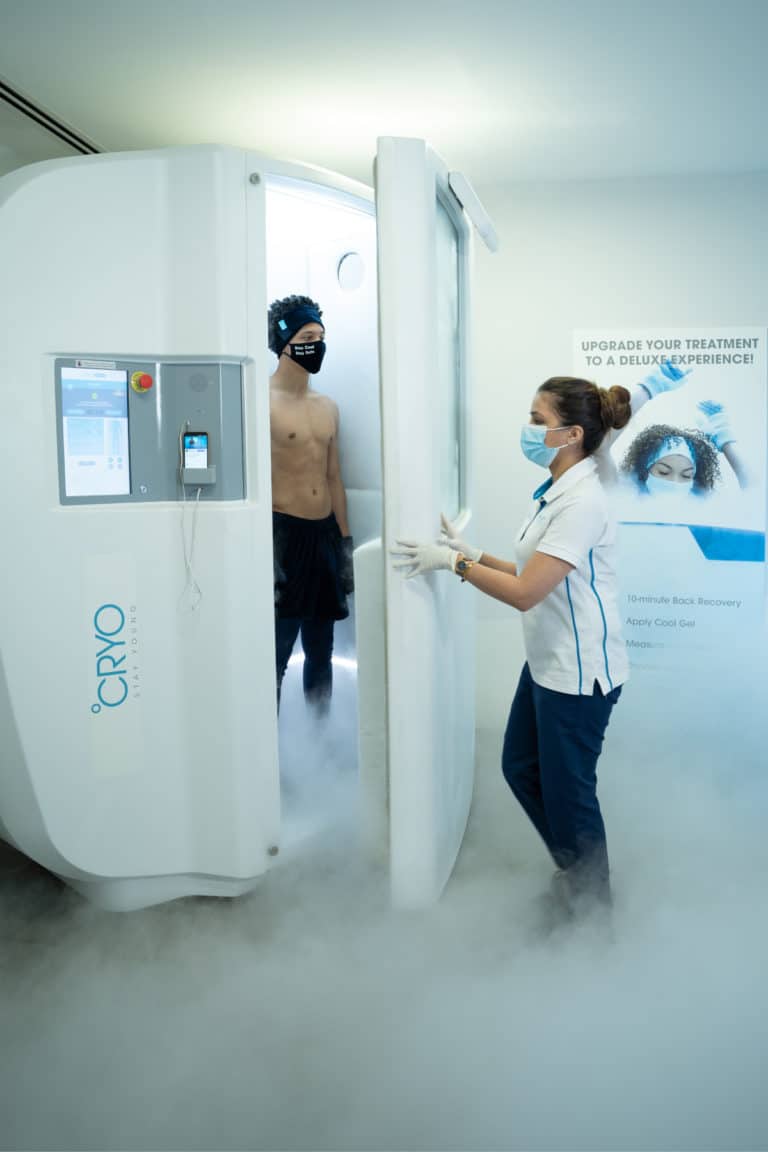
- During a cryotherapy session, individuals can expect to spend a few minutes in a cryotherapy chamber while wearing minimal clothing and protective gear for the hands and feet.
This procedure aids in the reduction of swelling and inflammation, which are frequent causes of discomfort. Moreover, nerve endings are numbed by cold, which instantly relieves pain. Endorphins are the body’s natural painkillers, and cryotherapy triggers their release, which can elevate mood and lessen anxiety and depression.
Also, the therapy has the ability to strengthen the body’s defenses against illness and disease by inducing a reaction that raises white blood cell production. Cryotherapy’s ability to lower inflammation, ease pain, and strengthen the immune system provides its scientific foundation. It’s a well-liked treatment for a number of ailments because of these benefits. Lowering Inflammation and Pain. Reducing pain & inflammation is one of cryotherapy’s most well-known advantages.
Cryotherapy can offer instant pain relief for a variety of conditions, including arthritis, sore muscles, and injuries, by narrowing blood vessels and numbing nerve endings. Accelerating the Healing Process and Enhancing Blood Flow. By lowering swelling and inflammation, cryotherapy can also hasten healing, enabling the body to heal from wounds and surgeries more quickly.
| Benefits of Cryotherapy Treatment | Duration of Treatment | Recommended Frequency |
|---|---|---|
| Reduced Inflammation | 2-4 minutes | 2-3 times per week |
| Improved Muscle Recovery | 2-4 minutes | After intense workouts |
| Increased Energy Levels | 2-4 minutes | As needed |
| Enhanced Skin Rejuvenation | 2-4 minutes | 1-2 times per week |
Also, cryotherapy helps enhance cardiovascular health and circulation. The circulatory system reacts to exposure to cold by narrowing blood vessels, which subsequently enlarge when the body temperature rises. Long-term advantages for heart health may result from this procedure’s ability to enhance circulation and cardiovascular function.
Increasing Metabolism and Supporting Loss of Weight. Moreover, cryotherapy can speed up metabolism and promote weight loss. The body has to work harder to keep its core temperature stable when it is cold outside, which can eventually lead to an increase in calorie expenditure and weight loss.
Cryotherapy has several advantages for mental health in addition to its benefits for physical health. The capacity of cryotherapy to lower stress and anxiety is among its most noteworthy advantages for mental health. The body naturally produces endorphins, which are mood enhancers, in response to cold temperatures. This can lessen tension and anxiety & lift your spirits.
Also, the quality of sleep can be enhanced by cryotherapy. Cryotherapy works well for treating insomnia and other sleep disorders because it releases endorphins, which can help with relaxation and sleep quality. Cryotherapy Also helps enhance focus and mental clarity. Adrenaline and noradrenaline are released in response to cold temperatures, & these hormones can enhance mental clarity & alertness. Those who have trouble focusing and thinking clearly may find this especially helpful. In general, cryotherapy has a number of positive effects on mental health, such as lowered stress levels, better sleep, and increased mental clarity.
Athletes are using cryotherapy more frequently because of its potential to enhance performance. Mitigating muscle soreness and fatigue is one of the main ways cryotherapy can improve sports performance. Athletes frequently suffer from muscle soreness and exhaustion following rigorous training or competition, which can impair their ability to perform and recover.
By lowering inflammation and accelerating healing, cryotherapy can help with these symptoms. Also, cryotherapy can improve one’s stamina and endurance. The circulatory system reacts to cold exposure by making blood vessels constrict, which subsequently dilate when the body warms back up. Through improved circulation and oxygen delivery to the muscles, this process can help increase stamina and endurance when engaging in physical activity.
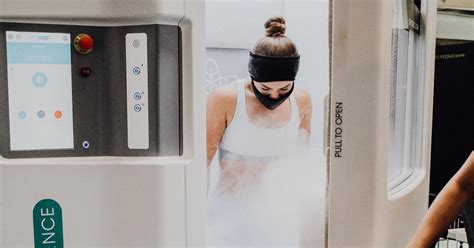
Cryotherapy can also hasten the healing process following an injury or strenuous training sessions. Cryotherapy helps athletes recover from injuries & hard training more quickly by lowering inflammation and accelerating healing, which enables them to resume training sooner. People should anticipate being exposed to extremely cold temperatures for a brief period of time during a cryotherapy session. Whole-body cryotherapy, the most popular type of cryotherapy, entails spending two to four minutes standing in a cold air-filled chamber. Wearing protective gear, such as gloves, socks, & slippers, before entering the chamber might be necessary to prevent frostbite on the extremities. People entering the chamber will usually feel a sharp drop in temperature, down to about -200°F (-130°C).
It’s common to experience extreme cold all over the body during this time. But because endorphins are released during the process, a lot of people say the feeling is bearable and even energizing. A variety of immediate benefits, including heightened energy, elevated mood, decreased pain and inflammation, & improved mental clarity, may be felt by participants following the session. It is crucial to remember that while some people might benefit right away, others might need more sessions before seeing appreciable gains in their physical or mental health.
Burns and possible skin irritation. Despite the fact that cryotherapy has many positive effects on both physical and mental health, it’s important to be aware of any possible risks and negative effects. Burns or skin irritation are among the most frequent side effects of cryotherapy. If appropriate protective gear is not worn or if a person already has a skin condition, exposure to extremely cold temperatures can result in skin irritation or burns. Frostbite Risk. Frostbite is also a possibility if people are exposed to low temperatures for an extended period of time or do not wear protective gear appropriately.
Frostbite is a condition where the skin and underlying tissues freeze as a result of being exposed to low temperatures. The affected area may become numb, tingly, or discolored. Additional Potential Side Effects. The quick drop in temperature during or after a cryotherapy session may also cause lightheadedness or dizziness in certain people. To guarantee their safety, people must express any discomfort or worries to the staff members in charge of the session.
Before beginning treatment, anyone interested in adding cryotherapy to their wellness regimen should speak with a medical professional to make sure it is safe and suitable for their particular needs. After being given the all-clear by a medical practitioner, people should think about regularly integrating cryotherapy into their wellness regimen to reap the benefits of its extensive range of medicinal and psychological advantages. While there are many advantages to cryotherapy, it is crucial to remember that for best effects, it should be combined with other healthy lifestyle habits like consistent exercise, a balanced diet, and enough sleep. In summary, there are several advantages to cryotherapy for both mental and physical health in addition to improving athletic performance. People can choose wisely whether to include cryotherapy in their wellness regimen to meet their fitness and health objectives by being aware of the possible risks & side effects as well as the science underlying the treatment.
FAQs
What is cryotherapy treatment?
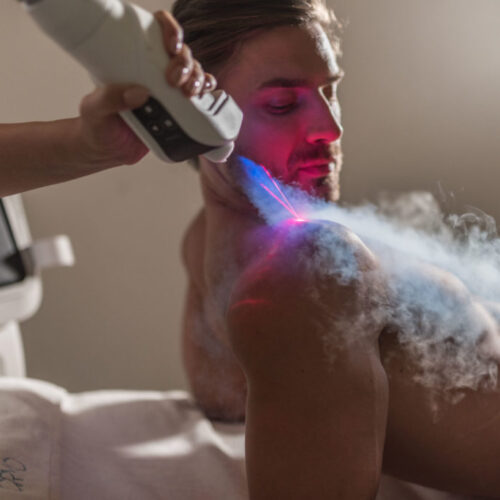
Cryotherapy treatment is a therapeutic technique that involves exposing the body to extremely cold temperatures for a short period of time. This can be done through whole-body cryotherapy, localized cryotherapy, or cryotherapy chambers.
What are the benefits of cryotherapy treatment?
Cryotherapy treatment is believed to have various benefits, including reducing inflammation, relieving muscle soreness, improving recovery after exercise or injury, boosting metabolism, and reducing pain.
How does cryotherapy treatment work?
During cryotherapy treatment, the body is exposed to temperatures ranging from -200°F to -300°F for a few minutes. This exposure is thought to trigger the body’s natural healing processes, including reducing inflammation and releasing endorphins.
Is cryotherapy treatment safe?
When performed by trained professionals, cryotherapy treatment is generally considered safe. However, it is important to follow the guidelines and recommendations for the duration and frequency of treatments to avoid any potential risks.
Who can benefit from cryotherapy treatment?
Cryotherapy treatment can benefit athletes, individuals with muscle or joint pain, those looking to improve recovery after exercise, and people seeking alternative methods for managing inflammation and pain.
Are there any potential risks or side effects of cryotherapy treatment?
While cryotherapy treatment is generally safe, some potential risks and side effects may include skin irritation, frostbite, and dizziness. It is important to consult with a healthcare professional before undergoing cryotherapy treatment, especially for individuals with certain medical conditions.