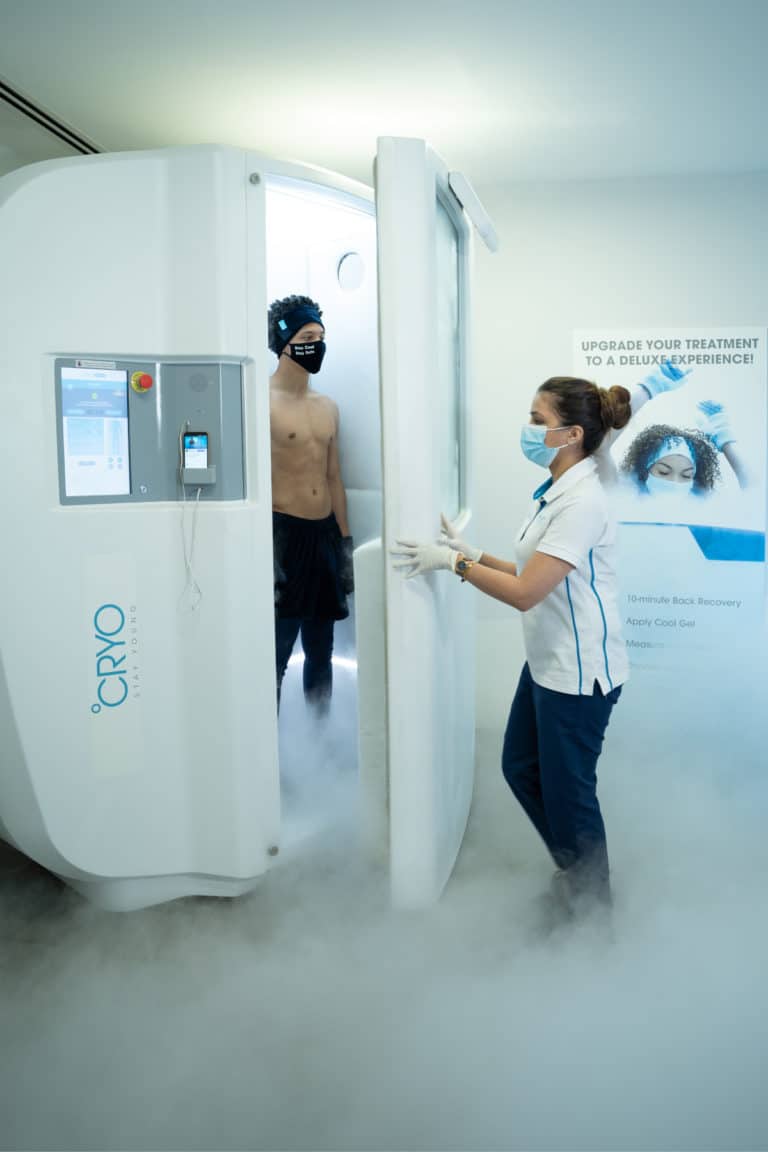

In sports and athletics, cryotherapy, also known as cold therapy, is a well-liked form of recovery. It entails using cryochambers, ice packs, or ice baths to briefly expose the body to extremely low temperatures. Cryotherapy is a tool that athletes use to speed up recovery from rigorous training or competitions, lessen inflammation, and ease sore muscles. The basic idea behind cryotherapy is that low temperatures constrict blood vessels & slow down tissue metabolism, which lowers swelling and inflammation.
Key Takeaways
- Cryotherapy involves exposing the body to extremely cold temperatures for a short period of time to promote recovery and enhance athletic performance.
- Cryotherapy can improve recovery by reducing muscle soreness, inflammation, and oxidative stress, leading to faster recovery times for athletes.
- The impact of cryotherapy on muscle soreness and inflammation is significant, as it can help athletes recover more quickly and perform at their best.
- Cryotherapy can enhance athletic performance by increasing blood flow, reducing fatigue, and improving muscle function, allowing athletes to train harder and perform better.
- In addition to physical benefits, cryotherapy also offers mental benefits for athletes, such as reducing stress, anxiety, and improving overall mood and well-being.
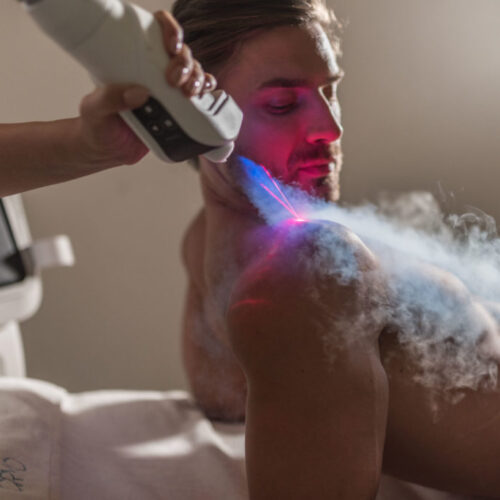
Faster recovery & enhanced athletic performance are believed to be facilitated by this process. Professional teams have started using cryotherapy more frequently, & athletes of all levels can access it at specialized facilities. Many techniques, such as ice pack applications, localized cryotherapy, and whole-body cryotherapy, can be used to administer the treatment. For a few minutes, whole-body cryotherapy subjects the body to temperatures as low as -200°F, whereas localized cryotherapy uses ice packs or cold air to target particular body parts. Athletes and sports professionals are very interested in cryotherapy because of its possible advantages in speeding up recovery, easing soreness in the muscles, & improving overall athletic performance.
This piece will look at how cryotherapy helps athletes and how it can be incorporated into training and recuperation plans. Minimizing Pain & Inflammation. Also, it has been discovered that cryotherapy lowers the body’s concentrations of cytokines that encourage inflammation, hence minimizing inflammation and accelerating healing. Also, athletes who receive cryotherapy may find it easier to feel less pain, which expedites their recovery and allows them to resume training or competition sooner. The body naturally produces endorphins, which are painkillers, in response to the low temperatures experienced during cryotherapy.
Increasing Recuperation and Output. This can help athletes recover more quickly and relieve their post-exercise discomfort. Athletes can benefit from decreased muscle soreness, accelerated recovery periods, and general physical well-being enhancements by adding cryotherapy into their recovery regimen. Maintaining performance levels & lowering the risk of overtraining or injury are two advantages that athletes who train hard or compete frequently may find especially helpful. Maximizing Recuperation for Maximum Output.
| Performance Metric | Before Cryotherapy | After Cryotherapy |
|---|---|---|
| Endurance | 20 minutes | 25 minutes |
| Recovery Time | 2 days | 1 day |
| Strength | 100 lbs | 110 lbs |
| Flexibility | Moderate | High |
Athletes can improve their recuperation and obtain a competitive advantage by using cryotherapy. Athletes can perform at their peak and accomplish their objectives with less soreness in their muscles, quicker recovery periods, and enhanced physical health. Athletes’ muscle aches and inflammation have been demonstrated to be significantly reduced by cryotherapy, making it an effective tool for enhancing recovery and performance. Because of microscopic tears in the muscle fibers and the build-up of metabolic waste products like lactic acid, athletes frequently experience soreness in their muscles after strenuous exercise. By lowering inflammation and blood flow to the injured areas, cryotherapy helps to relieve muscle soreness.
As a result, athletes may experience less pain and discomfort, heal more quickly, and resume training or competition with less difficulty. Cryotherapy has been demonstrated to lessen inflammation in addition to reducing muscle soreness by lowering the body’s levels of pro-inflammatory cytokines. Athletes recuperating from injuries or undergoing rigorous training regimens may find this anti-inflammatory effect especially helpful. Cryotherapy can speed up recovery & lower the chance of long-term overuse injuries in athletes by decreasing inflammation. Cryotherapy is a useful tool for athletes who want to maximize their recovery and sustain peak performance because it targets inflammation at the cellular level.
Cryotherapy has also been demonstrated to augment the body’s inherent healing mechanisms by encouraging the release of analgesic & anti-inflammatory chemicals like norepinephrine & endorphins. By reducing pain and discomfort, these drugs can help athletes heal more quickly and get back to training or competition. Cryotherapy can be extremely helpful in aiding athletes’ recuperation and general physical well-being by lowering soreness and inflammation in the muscles. Cryotherapy not only promotes faster recovery between training sessions or competitions, but it has also been demonstrated to improve athletic performance by boosting energy levels & endurance.
Norepinephrine, a hormone essential for boosting energy, focus, and alertness, is released when the body is exposed to low temperatures during cryotherapy. Athletes that have to sustain high performance and attention levels during training or competition may find this to be especially helpful. Also, through lowering fatigue & raising the body’s tolerance to physical stress, cryotherapy has been shown to increase endurance. Athletes can train at higher intensities for longer periods of time without overheating or becoming exhausted thanks to cryotherapy’s ability to lower core body temperature.
Because of its potential to enhance physical exertion & performance, cryotherapy is a useful tool for athletes who want to get the most out of their training and competition results. By lowering inflammation and soreness in the muscles, cryotherapy can also hasten the healing process in between workouts or competitions. Because of this, athletes are able to continue training at a higher volume and intensity without becoming overly tired or overtrained. Athletes can experience faster recovery times, less soreness in their muscles, and an overall improvement in their physical performance by adding cryotherapy into their training regimen.
Through encouraging relaxation, lowering stress levels, and enhancing mental health, cryotherapy provides athletes with mental advantages in addition to physical ones. Endorphins are naturally occurring substances that elevate mood that are released when the body is exposed to low temperatures, such as during cryotherapy. This can lessen tension or anxiety that athletes may experience as a result of rigorous training or competition by making them feel more at ease and relaxed. Moreover, it has been discovered that cryotherapy enhances athletes’ sleep by encouraging the release of melatonin, a hormone that controls sleep-wake cycles.
For the body to heal and regenerate tissues damaged during physical activity, adequate sleep is essential for both athletic performance & recuperation. Cryotherapy helps athletes maintain peak performance levels and facilitate more efficient recovery through improved sleep quality. Also, by encouraging a feeling of renewal and vigor, cryotherapy can benefit mental health. Cryotherapy, which exposes athletes to low temperatures, can help them feel renewed and invigorated. This can provide them a mental boost that can improve their general well-being.
Athletes who use cryotherapy as part of their recovery regimen can benefit from increased mental clarity, lowered stress levels, and general improvements in mental health. Safety Considerations. Although cryotherapy has many advantages for athletes, it’s vital to think about the safety measures and possible risks involved in this treatment. Professionals with the necessary training should administer cryotherapy because they can keep an eye on how the athlete reacts to the low temperatures and make sure the procedure is carried out safely.
To reduce the possibility of negative outcomes like frostbite or skin damage, athletes receiving cryotherapy must adhere to the recommended protocols. Avoidance and Safety Measures. Before receiving cryotherapy, athletes with specific medical conditions or those who are allergic to cold should speak with a healthcare provider to make sure it is safe for them. Athletes should also communicate any discomfort or concerns they may have during treatment and be aware of their personal threshold for cold temperatures. Moreover, athletes must exercise caution when integrating cryotherapy into their recuperation regimen since prolonged or excessive exposure to low temperatures can have negative consequences like tissue damage or weakened immune systems.
Adding Cryotherapy to Exercise and Rehab. Optimizing performance and enhancing general well-being can be achieved by including cryotherapy in an athlete’s training and recovery regimen. Using cryotherapy as a supplemental treatment in addition to other recovery modalities like massage therapy, stretching, and appropriate diet can help athletes recover from injuries. Cryotherapy can help athletes recover more quickly overall and keep up their best performance levels when combined with other recovery techniques. Enhancing Both Productivity and Health.
Athletes can prime their bodies for peak performance by decreasing fatigue & increasing endurance through cryotherapy pre-competition routines. Similarly, athletes can reduce their risk of overuse injuries and improve their recovery after competition by utilizing cryotherapy. In addition, athletes may benefit from adding cryotherapy to their regular training regimen as a safeguard against burnout or overtraining. Athletes can lower their risk of chronic injuries and sustain a higher training volume without feeling unduly fatigued or physically strained by incorporating cryotherapy into their recovery plan.
FAQs
What is cryotherapy?
Cryotherapy is a treatment that involves exposing the body to extremely cold temperatures for a short period of time. This can be done using various methods such as ice packs, ice baths, or whole body cryotherapy chambers.
How does cryotherapy benefit athletes?
Cryotherapy is believed to help reduce inflammation, muscle soreness, and pain, which can be beneficial for athletes recovering from intense training sessions or injuries. It may also help improve recovery time and enhance overall athletic performance.
Are there any risks or side effects associated with cryotherapy?
While cryotherapy is generally considered safe, there are potential risks and side effects to be aware of. These may include skin irritation, frostbite, and in rare cases, nerve or tissue damage. It’s important for athletes to follow proper safety guidelines and consult with a healthcare professional before undergoing cryotherapy.
How often should athletes use cryotherapy?
The frequency of cryotherapy sessions can vary depending on individual needs and goals. Some athletes may benefit from using cryotherapy regularly as part of their recovery routine, while others may only use it as needed for specific injuries or soreness.
Is cryotherapy suitable for all athletes?
Cryotherapy may not be suitable for everyone, especially those with certain medical conditions such as cold intolerance, Raynaud’s disease, or uncontrolled hypertension. Athletes should consult with a healthcare professional to determine if cryotherapy is safe and appropriate for their specific circumstances.