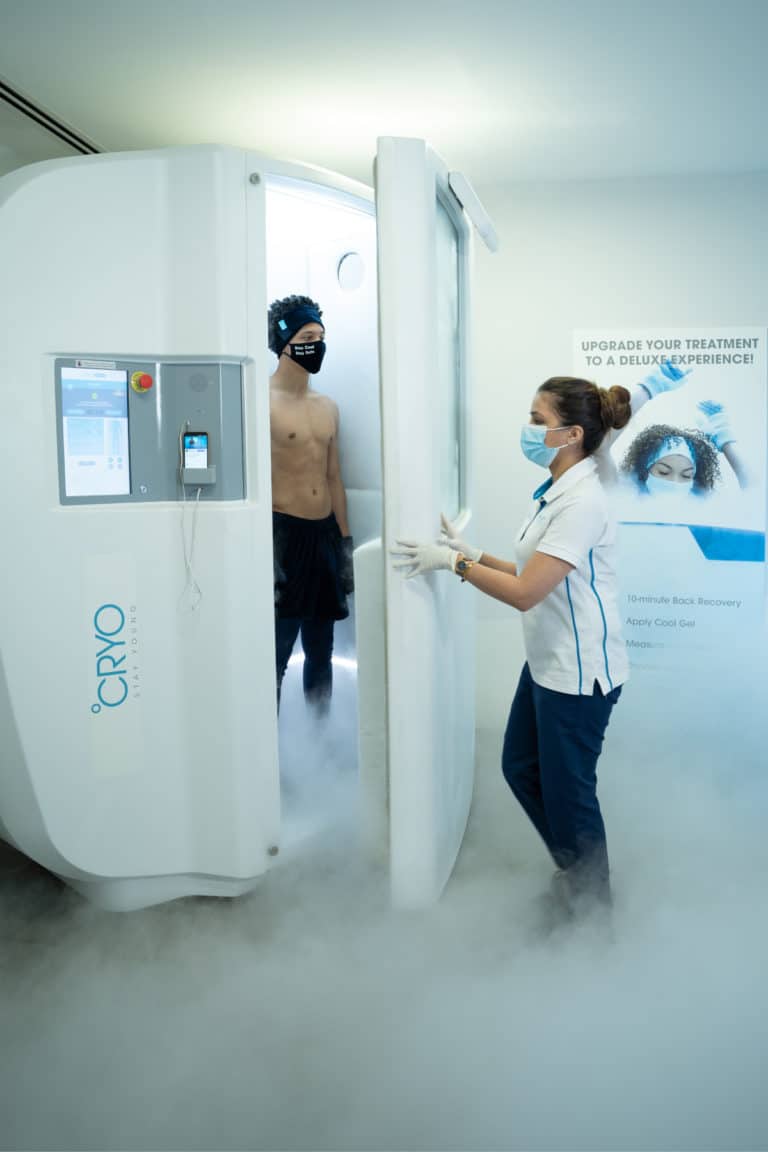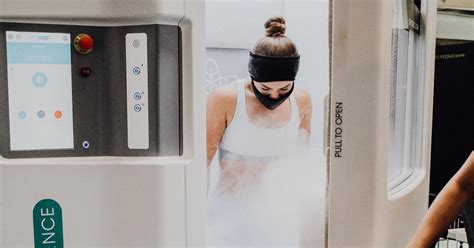

Shortly after the body is exposed to extremely low temperatures, a treatment called cryotherapy, also known as cold therapy, is applied. There are a number of ways to administer it, such as using ice packs, ice baths, & specialized cryotherapy chambers. The most popular type is called whole-body cryotherapy (WBC), which entails having a patient enter a chamber that has been cooled to as low as -200°F (-129°C) for two to four minutes. Despite being utilized for centuries, cold therapy has recently become more well-known as a general wellness technique and as a treatment for a number of illnesses. Vasoconstriction, or the narrowing of blood vessels, is the basic idea behind cryotherapy.
Key Takeaways
- Cryotherapy is a treatment that involves exposing the body to extremely cold temperatures for a short period of time.
- Cryotherapy works by reducing inflammation, increasing circulation, and promoting the release of endorphins in the body.
- Health benefits of cryotherapy include pain relief, improved recovery from exercise, and potential weight loss.
- Athletes, individuals with chronic pain, and those looking to improve their overall well-being can benefit from cryotherapy.
- Risks and side effects of cryotherapy may include skin irritation, frostbite, and dizziness, but these can be minimized with proper preparation and caution.
Vascular constrictions brought on by severe cold cause blood flow to be diverted from the extremities to the center of the body. It is thought that this procedure will have a number of therapeutic benefits, such as lowering inflammation, easing pain, and strengthening the immune system. In addition, endorphins, the body’s natural analgesics, are believed to be stimulated by cryotherapy. The health benefits of cryotherapy, according to its supporters, range from treating specific medical conditions to lessening muscle soreness and enhancing athletic performance.
physiological reactions. Vasoconstriction, which lowers blood flow to the extremities and directs blood flow to the center of the body, is one of the main reactions. It is believed that this procedure numbs nerve endings, which can relieve pain, and reduces swelling and inflammation. Comfort and Increased Metabolism.
Apart from narrowing the blood vessels, cryotherapy is thought to induce the body’s natural painkillers, endorphins, to be released. In order to produce heat, the body raises its metabolic rate in colder climates, which can result in an increase in calorie burning. Immune Function & General Health. Also, it is believed that cryotherapy affects the immune system because exposure to low temperatures may increase the production of white blood cells and other immune system constituents. From lowering pain and inflammation to strengthening the immune system and enhancing general wellness, cryotherapy appears to have a variety of beneficial effects on the body, according to the science behind it. Numerous health benefits for both physical & mental well-being have been attributed to cryotherapy.
| Benefits of Cryotherapy | Details |
|---|---|
| Reduced Inflammation | Studies have shown that cryotherapy can help reduce inflammation in the body. |
| Pain Relief | Cryotherapy can help alleviate muscle and joint pain. |
| Improved Recovery | Athletes often use cryotherapy to speed up recovery after intense training sessions. |
| Boosted Metabolism | Some research suggests that cryotherapy can increase metabolism and aid in weight loss. |
Reducing pain and inflammation is one of cryotherapy’s most well-known advantages. Cryotherapy can help reduce swelling and pain related to injuries, arthritis, and other inflammatory conditions by narrowing blood vessels & decreasing blood flow to particular parts of the body. For those with chronic pain, this can result in increased mobility & a higher quality of life. Cryotherapy has been demonstrated to improve athletic performance and recovery in addition to lowering pain and inflammation. After strenuous training sessions or competitions, many athletes utilize cryotherapy to expedite muscle recovery.
It’s believed that the cold helps athletes train harder and more frequently by easing muscle soreness & fatigue. Also, through encouraging relaxation & lowering stress and anxiety, cryotherapy may benefit mental health as well. During cryotherapy sessions, endorphins are released, which can enhance mood and general well-being. Many people can benefit from cryotherapy, including those with inflammatory diseases or chronic pain, as well as athletes trying to enhance their performance & recuperation. Cryotherapy is a common tool used by athletes to expedite muscle recovery following strenuous training or competitions. The lower temperatures are supposed to help athletes train harder and more frequently by reducing muscle soreness and fatigue.
Cryotherapy may also improve mental health by encouraging relaxation & lowering tension and anxiety. An increased mood and general sense of well-being can result from the endorphins released during cryotherapy sessions. Patients with inflammatory diseases like arthritis or persistent pain may also find relief with cryotherapy. For people who are experiencing chronic discomfort, cryotherapy’s ability to reduce inflammation & pain can result in increased mobility and a higher quality of life. Cryotherapy has also been demonstrated to be beneficial for mood disorders like anxiety and depression as well as skin conditions like psoriasis and eczema.
All things considered, cryotherapy can be advantageous for a variety of people wishing to enhance their mental & physical health. Even though cryotherapy has a lot of potential advantages, it’s crucial to be aware of any risks and adverse effects that could arise. Burns or skin irritation are among cryotherapy’s most frequent side effects. If appropriate precautions are not taken, exposure to extremely low temperatures can result in skin damage.
It’s crucial that people receiving cryotherapy adhere to safety precautions and shield their skin from the cold surfaces. Some people who receive cryotherapy may also feel lightheaded or dizzy during or after the treatment in addition to skin irritation. This may be brought on by a sharp drop in body temperature or variations in blood flow brought on by vasoconstriction. To ensure their safety, people receiving cryotherapy should let the staff members supervising the session know if they experience any discomfort or strange feelings.
Cryotherapy may also not be appropriate for people who are pregnant, have severe hypertension, or have certain circulatory disorders. Before beginning treatment, people thinking about cryotherapy should speak with a medical professional to make sure it’s a good fit for them. Drinking enough of water and limiting stimulants. To help control body temperature and avoid dehydration, it’s essential to drink plenty of water before a cryotherapy session.
Also, it is advised to abstain from caffeine and alcohol before a session as these substances can alter blood flow and complicate the body’s ability to acclimate to the cold. Suitably attired. It’s important to dress appropriately for a cryotherapy session.
Natural fiber items like cotton are used to make gloves, socks, and undergarments. In addition to lowering the possibility of burns or skin irritation, this can help shield the skin from direct contact with cold surfaces. Safe communication and interaction. It is imperative that patients receiving cryotherapy inform the personnel supervising the treatment of any medical conditions or concerns.
This protects them and enables the employees to take the appropriate safety measures. People can set themselves up for a successful and safe cryotherapy experience by taking these safety measures and adhering to the guidelines. Research and development are being conducted in the field of cryotherapy in order to explore new applications and enhance current techniques, as interest in this treatment grows. In order to maximize cryotherapy’s application for a range of medical conditions, one field of research focuses on comprehending the mechanisms underlying its therapeutic effects. In order to create specialized treatments, this involves researching how cold affects immune system performance, inflammation, and pain perception.
In addition, research on the possible application of cryotherapy to the treatment of autoimmune diseases, neurological disorders, and metabolic disorders is still ongoing. Researchers aim to create novel treatments that can enhance the quality of life for those afflicted with these illnesses by comprehending how exposure to extremely low temperatures impacts physiological functions in the body. Also, research into the application of localized cryotherapy for targeted pain relief and tissue regeneration in particular body parts is still ongoing. Ongoing technological advancements are being made in addition to research projects with the goal of enhancing the safety and efficacy of cryotherapy treatments. Innovations in cryotherapy chambers and apparatus meant to offer more accurate temperature control & monitoring during sessions fall under this category. The potential of cryotherapy as a therapeutic treatment for a variety of medical conditions appears to be further enhanced by new developments and applications that are anticipated in the future.
To sum up, cryotherapy is a treatment in which the patient is exposed to extremely low temperatures for a brief length of time. Cryotherapy works by subjecting the patient to extremely low temperatures, which causes the body to react physiologically. Many advantages of cryotherapy have been reported for improving both mental & physical health.
Many people can benefit from it, including those with inflammatory diseases or chronic pain, as well as athletes trying to enhance their performance & recuperation. Although there are many potential advantages to cryotherapy, it’s crucial to be aware of any hazards and negative effects as well. People can take a few precautions to get ready for a cryotherapy session before they go through it.
Research and development in the field of cryotherapy are ongoing, with the goal of exploring new applications & refining current techniques as interest in this treatment grows. The potential of cryotherapy as a therapeutic treatment for a variety of medical conditions appears to be further enhanced by new developments & applications that are anticipated in the future.
FAQs
What is cryotherapy?
Cryotherapy is a treatment that involves exposing the body to extremely cold temperatures for a short period of time. This can be done through whole-body cryotherapy, localized cryotherapy, or cryotherapy facials.
What are the benefits of cryotherapy?
Cryotherapy is believed to have several potential benefits, including reducing inflammation, relieving muscle soreness, improving recovery after exercise, boosting metabolism, and reducing pain.
How does cryotherapy work?
During cryotherapy, the body is exposed to temperatures as low as -200°F for a few minutes. This extreme cold is thought to trigger the body’s natural healing processes, including reducing inflammation and releasing endorphins.
Is cryotherapy safe?
When performed by trained professionals, cryotherapy is generally considered safe. However, there are some risks, such as frostbite, skin irritation, and breathing difficulties, so it’s important to follow safety guidelines and consult with a healthcare professional before trying cryotherapy.
Who can benefit from cryotherapy?
Cryotherapy may be beneficial for athletes looking to improve recovery, individuals seeking pain relief, and those interested in boosting their metabolism. However, it’s important to consult with a healthcare professional to determine if cryotherapy is appropriate for your specific needs.