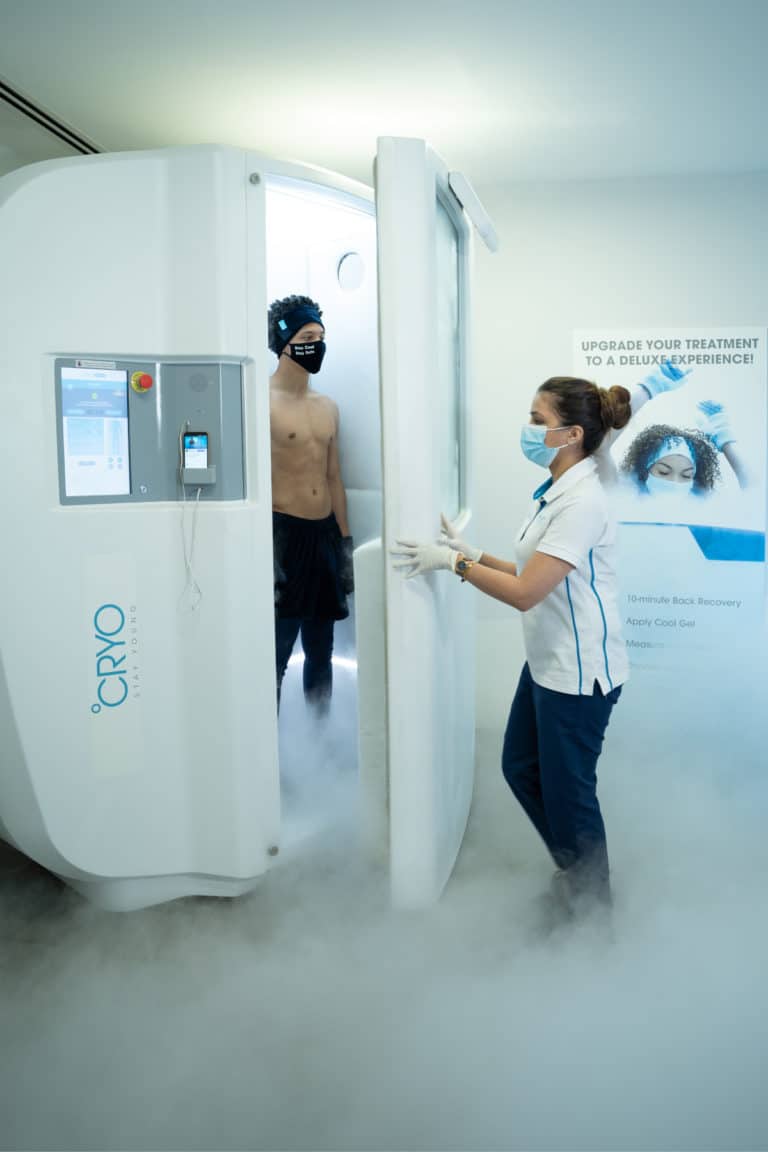
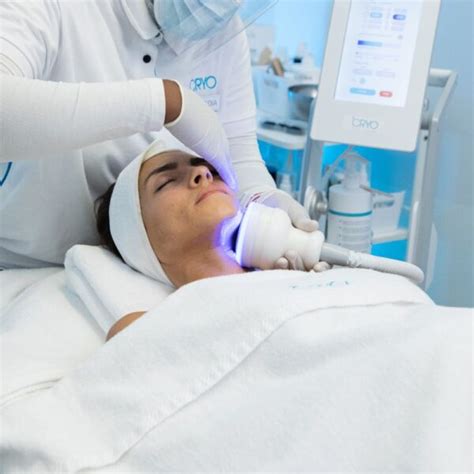

The procedure known as cryotherapy, or cold therapy, involves briefly subjecting the patient’s body to extremely low temperatures. Many techniques, such as the use of ice packs, immersion in cold water, or whole-body cryotherapy chambers, can be used to accomplish this. By narrowing blood vessels and lowering blood flow to the damaged areas, cryotherapy aims to primarily relieve pain and inflammation. It is believed that this procedure numbs nerves, which may lessen pain and discomfort.
Key Takeaways
- Cryotherapy is a treatment that involves exposing the body to extremely cold temperatures for a short period of time to reduce inflammation and promote healing.
- Cryotherapy reduces inflammation by constricting blood vessels and decreasing blood flow to the affected area, which helps to reduce swelling and pain.
- The benefits of using cryotherapy for inflammation include reduced pain, improved recovery time, and increased mobility.
- Athletes, individuals with chronic pain or inflammation, and those recovering from injuries can benefit from cryotherapy.
- Potential risks and side effects of cryotherapy include skin irritation, frostbite, and dizziness, so it’s important to consult with a healthcare professional before trying cryotherapy.
For many years, cryotherapy has been used to treat a variety of ailments, such as injuries, arthritis, and muscle soreness. It has become more well-liked in recent years as a wellness remedy for everyone and as a recovery aid for athletes. Cryotherapy works by inducing a reaction in the body that is normally triggered by cold. Extreme cold causes the body to go into survival mode, rerouting blood flow from the extremities to important organs in order to keep the core body temperature stable. Vasoconstriction is a technique that helps lessen swelling and inflammation in afflicted areas.
Also, the abrupt drop in temperature may cause nerve endings to become numb, relieving pain right away. The body naturally produces endorphins, which are thought to be stimulated by cryotherapy. Also easing discomfort & enhancing general wellbeing may be possible with this. For the purpose of controlling pain & decreasing inflammation, cryotherapy is typically regarded as a non-invasive, reasonably safe treatment option. The Reduction of Inflammation by Cryotherapy.
By causing blood vessels to constrict in reaction to low temperatures, a process known as vasoconstriction, cryotherapy lowers inflammation. Extreme cold exposure causes blood vessels to narrow, which lowers blood flow to the affected area of the body. This reduction in blood flow contributes to the control of the inflammatory response, which is typified by pain, swelling, & redness. Cryotherapy’s advantages.
| Study | Findings |
|---|---|
| Study 1 | Reduced inflammation markers |
| Study 2 | Decreased pain and swelling |
| Study 3 | Improved recovery time |
Cryotherapy helps lessen discomfort and encourage the body’s healing process by lowering inflammation. Also, the temporary pain relief and improved mobility in the affected area can be facilitated by the numbing effect of cold temperatures. Cryotherapy causes vasoconstriction as well as the body’s natural painkiller, endorphin, to be released. The Scientific Basis of the Anti-Inflammatory Effects of Cryotherapy. Endorphins are a natural source of pain relief that can help elevate mood and lessen discomfort.
Also, it has been demonstrated that cryotherapy lowers pro-inflammatory cytokine levels, which are signaling molecules that aid in the inflammatory response. Cryotherapy can help to modulate the immune response and encourage a more balanced inflammatory state in the body by lowering the production of these cytokines. Cryotherapy is a beneficial treatment option for people with inflammatory conditions because it provides a multifaceted approach to reducing inflammation. Cryotherapy has various advantages when treating inflammation. Its capacity to offer rapid pain relief is one of its main benefits. It may be easier to move and carry out daily tasks in the affected area due to the numbing effect of cold temperatures.
Cryotherapy can also aid in reducing swelling and accelerating the body’s healing process. Cryotherapy reduces inflammation and promotes the body’s own healing mechanisms by restricting blood flow to the injured area. Also, cryotherapy has been demonstrated to enhance general wellbeing and circulation. Vascular constriction brought on by the abrupt drop in temperature can enhance body circulation. Better nutrient delivery and tissue oxygenation are possible outcomes of this, both of which are necessary for healing and recuperation.
Because cryotherapy releases endorphins during treatment, it has also been linked to increased energy and improved mood. As a useful tool for pain management & healing, cryotherapy provides a number of advantages for people with inflammation. A broad spectrum of people with pain & inflammation can benefit from cryotherapy.
After rigorous training sessions or competitions, athletes frequently utilize cryotherapy as a recovery tool to lessen muscle soreness and hasten the healing process. Cryotherapy may also help people with fibromyalgia or arthritis, two chronic inflammatory diseases, by reducing pain and increasing mobility. Cryotherapy is another option for individuals recovering from surgeries or injuries to lessen swelling and encourage quicker healing in the injured area. For those with acute injuries like sprains or strains, cryotherapy can also be helpful.
Cryotherapy offers instant pain relief and a reduction in swelling, which can aid in rehabilitation and enhance results overall. Also, cryotherapy can be a beneficial addition to a person’s wellness routine if they are searching for a natural and non-invasive way to manage inflammation. All things considered, cryotherapy is a flexible therapeutic approach that can help a variety of people with inflammatory illnesses. Though generally regarded as safe, there are a few possible risks & side effects to be mindful of when undergoing cryotherapy. Frequent adverse effects of cryotherapy include skin irritation & frostbite, particularly when the skin is not adequately shielded from the cold during the procedure.
To protect your skin, it’s crucial to abide by safety precautions and wear protective gear like socks and gloves. Also, because of the abrupt drop in temperature during or after cryotherapy, some people may feel lightheaded or dizzy. For the sake of ensuring a secure and satisfying experience, it is crucial to share any discomfort or worries with the specialist. Also, before receiving cryotherapy, people with specific medical conditions, such as heart disease or hypertension, should speak with a healthcare provider.
It is crucial to confirm that cryotherapy is safe for people with pre-existing medical conditions because the intensely low temperatures involved can put additional strain on the cardiovascular system. Due to the possible risks associated with their particular conditions, people who are pregnant or have nerve damage should also proceed with caution when considering cryotherapy. Ultimately, even though cryotherapy has a lot to offer in terms of reducing inflammation, it’s crucial to be aware of any possible risks and adverse effects to ensure a risk-free and enjoyable procedure. Select a Reputable Facility by Researching It. You must conduct thorough research & choose a reliable facility with qualified staff who can walk you through the procedure if you want to guarantee a safe & effective cryotherapy session.
Before receiving cryotherapy, discuss any health issues or worries you may have with the provider to make sure it’s a safe procedure for you. Observe the pre-treatment instructions. It’s critical to adhere to any pre-treatment instructions given by the facility in addition to selecting a reliable one.
In order to prevent disruptions to the treatment process, it is advisable to abstain from caffeine and alcohol prior to the session, wear protective clothing made of natural fibers, such as cotton, and avoid using lotions or oils. Maintain Hydration and Encourage Your Body to Heal. In order to facilitate your body’s natural healing processes, it is imperative that you drink plenty of water both before & after a cryotherapy session.
You can make sure that your cryotherapy session is safe and enjoyable while also benefiting from this cutting-edge treatment for inflammation by following these precautionary measures before the session. Finally, cryotherapy presents a potentially effective therapeutic option for people with pain & inflammation. Cryotherapy helps lessen discomfort, encourage healing, and lessen swelling by taking advantage of the body’s natural reaction to cold temperatures. Additional support for reduced pain and enhanced wellbeing may come from the release of endorphins during therapy. Even though cryotherapy has many advantages for controlling inflammation, there are some possible risks & adverse effects to be mindful of. People can benefit from this cutting-edge treatment option while ensuring a safe and positive experience by being prepared & taking the necessary precautions before beginning a cryotherapy session.
Your unique needs and circumstances will ultimately determine whether cryotherapy is the best course of action for your inflammation. It is crucial to speak with a medical professional before beginning cryotherapy, particularly if you have any underlying health issues. Cryotherapy may be a safe and effective way for people to manage inflammation, provided they follow safety precautions and work with qualified professionals at reputable cryotherapy facilities. It’s probable that cryotherapy will continue to be a useful intervention for people with inflammatory conditions as long as research on its therapeutic potential yields positive results.
FAQs
What is cryotherapy?
Cryotherapy is a treatment that involves exposing the body to extremely cold temperatures for a short period of time. This can be done using ice packs, cold water immersion, or specialized cryotherapy chambers.
How does cryotherapy work for inflammation?
Cryotherapy works by constricting blood vessels and reducing blood flow to a particular area, which can help reduce inflammation and swelling. It can also numb nerve endings, providing pain relief.
What conditions can cryotherapy help with?
Cryotherapy is often used to treat inflammation associated with injuries, such as sprains, strains, and muscle soreness. It can also be used to manage chronic inflammatory conditions like arthritis.
Are there any risks or side effects associated with cryotherapy?
While cryotherapy is generally considered safe, there are some potential risks and side effects, including skin irritation, frostbite, and in rare cases, nerve damage. It’s important to follow proper safety protocols and consult with a healthcare professional before undergoing cryotherapy.
How is cryotherapy administered?
Cryotherapy can be administered in various ways, including localized application of ice packs or cold compresses, cold water immersion, or whole-body cryotherapy in specialized chambers that expose the body to extremely cold temperatures for a short period of time.
Is cryotherapy suitable for everyone?
Cryotherapy may not be suitable for everyone, particularly those with certain medical conditions such as Raynaud’s disease, cold allergies, or uncontrolled hypertension. It’s important to consult with a healthcare professional to determine if cryotherapy is appropriate for you.