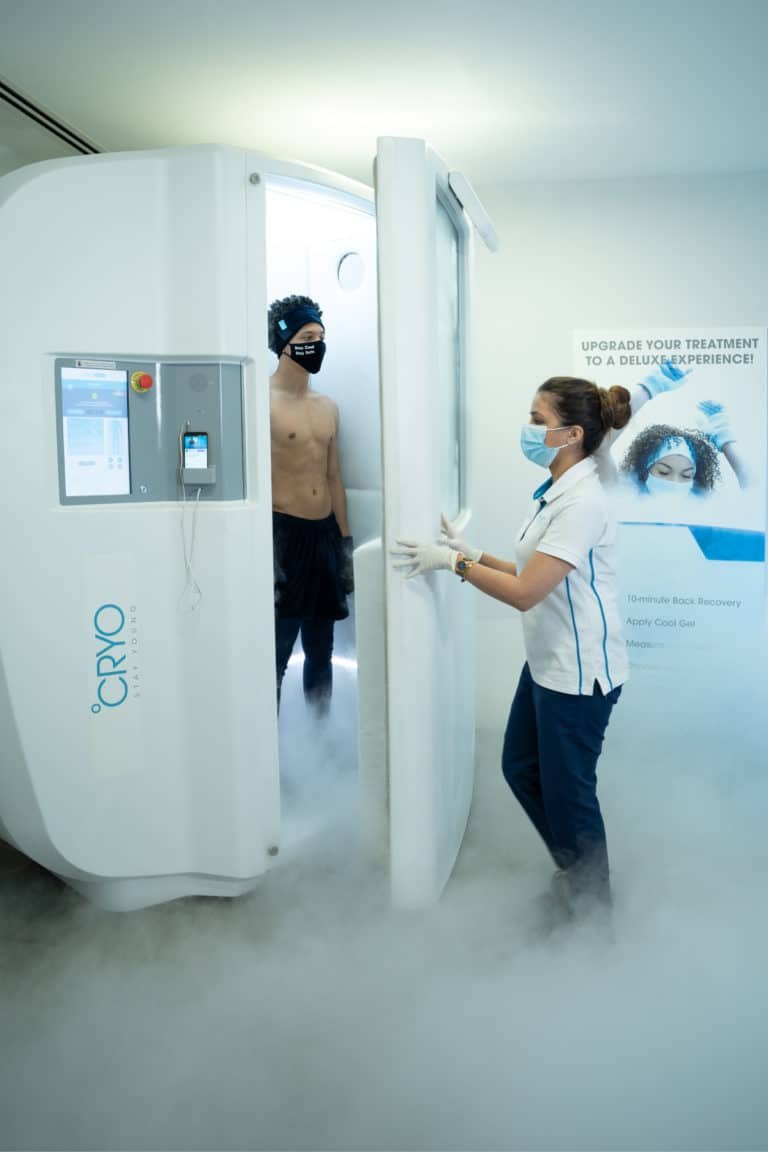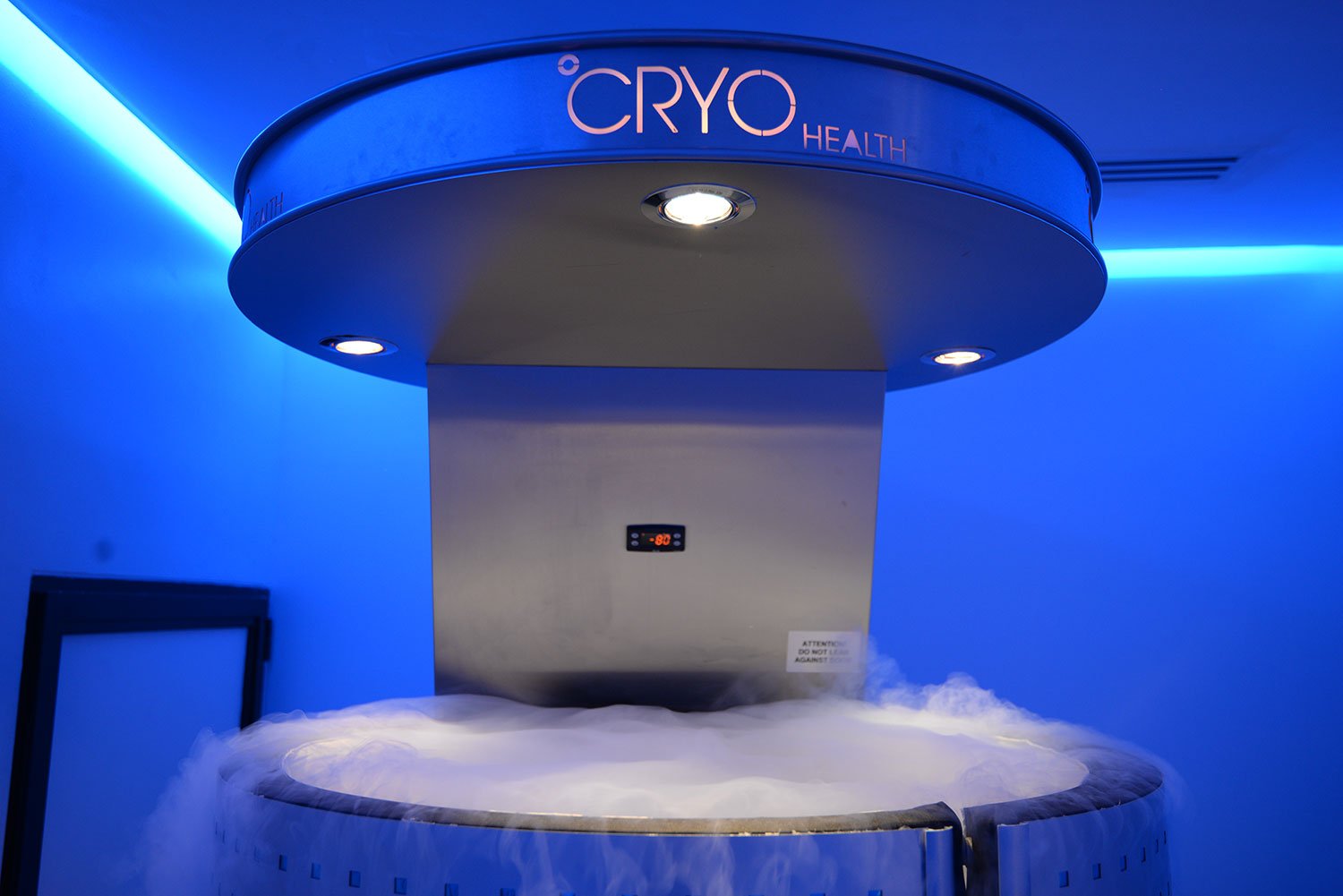
Cryotherapy, also known as cold therapy, briefly exposes the body to extremely low temperatures. It can be administered with ice packs, ice baths, and specialized cryotherapy chambers. The most popular type, whole-body cryotherapy (WBC), has a patient enter a chamber cooled to as low as -200°F (-129°C) for two to four minutes. The basic principle is vasoconstriction: the narrowing of blood vessels.
Key Takeaways
- Cryotherapy exposes the body to extremely cold temperatures for a short period of time.
- It works by reducing inflammation, increasing circulation, and promoting the release of endorphins.
- Health benefits include pain relief, improved recovery from exercise, and potential weight loss.
- Athletes, people with chronic pain, and those looking to improve well-being can benefit.
- Risks include skin irritation, frostbite, and dizziness, minimized with proper preparation.
How It Works
Severe cold diverts blood flow from the extremities to the core of the body. This is believed to reduce swelling and inflammation, numb nerve endings to relieve pain, and stimulate the release of endorphins. To produce heat, the body raises its metabolic rate in colder conditions, which can increase calorie burning. Cold exposure may also influence the immune system by increasing the production of white blood cells.
Benefits
| Benefit | Details |
|---|---|
| Reduced Inflammation | Cryotherapy can help reduce inflammation in the body. |
| Pain Relief | Helps alleviate muscle and joint pain. |
| Improved Recovery | Athletes use it to speed up recovery after intense training. |
| Boosted Metabolism | Some research suggests it can increase metabolism and aid weight loss. |
By narrowing blood vessels and decreasing blood flow to specific areas, cryotherapy reduces swelling and pain related to injuries, arthritis, and other inflammatory conditions, leading to increased mobility and a higher quality of life. Athletes use it to expedite muscle recovery, while the endorphins released during sessions can enhance mood and reduce stress and anxiety.
Risks & Side Effects
Common side effects include skin irritation or burns if proper precautions aren’t taken, and some people may feel lightheaded or dizzy due to the sharp drop in body temperature. Cryotherapy may not be appropriate for people who are pregnant, have severe hypertension, or have certain circulatory disorders, consult a medical professional first.
Preparing for a Session
Drink plenty of water and avoid caffeine and alcohol beforehand. Dress appropriately with gloves, socks, and natural-fiber undergarments to protect the skin from cold surfaces, and inform the supervising staff of any medical conditions or concerns.
The Future of Cryotherapy
Ongoing research explores new applications, from autoimmune and neurological disorders to targeted localized therapy, alongside technology advances for more precise temperature control, further expanding cryotherapy’s therapeutic potential.
FAQs
Is cryotherapy safe? When performed by trained professionals, it is generally considered safe, though risks like frostbite, skin irritation, and breathing difficulties exist, follow safety guidelines and consult a professional first.
Who can benefit? Athletes looking to improve recovery, individuals seeking pain relief, and those interested in boosting metabolism.