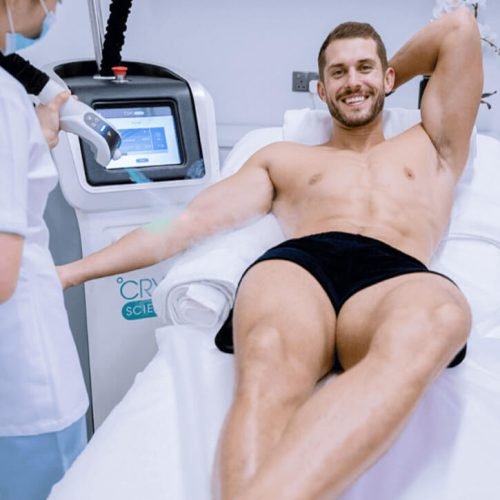
Cold therapy, or cryotherapy, is a treatment in which the body is exposed to extremely low temperatures for brief periods. The practice traces back to the ancient Greeks and Egyptians, who used cold therapies for a variety of conditions. In recent years it has become increasingly popular as a recovery and wellness technique, especially among athletes and fitness enthusiasts.
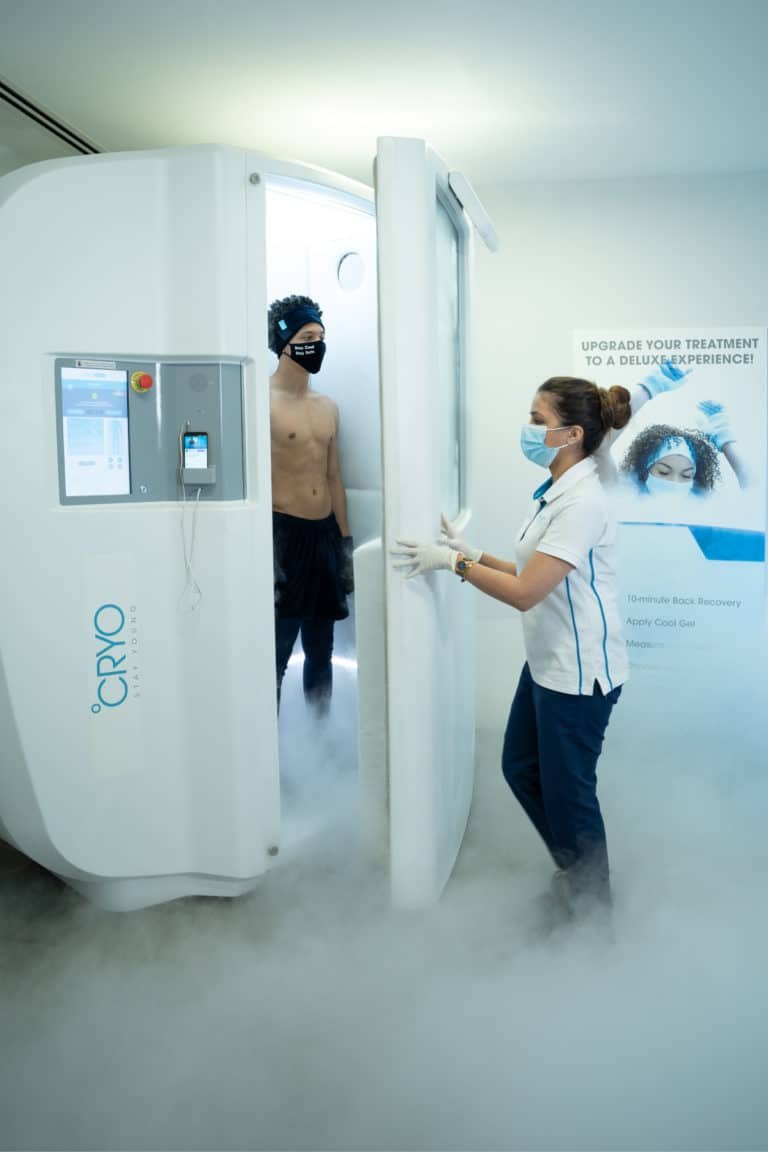
Whole-body cryotherapy (WBC), the most popular modern form, involves standing for two to four minutes in a specially designed chamber cooled to subzero temperatures. The body responds with vasoconstriction (blood vessel narrowing) and endorphin release, which may help with pain management and mood enhancement.
Mitigating Inflammation and Pain
Blood vessels narrow in cold environments, decreasing blood flow to the body’s extremities. This vasoconstriction helps reduce swelling and inflammation, advantageous for healing from strenuous exercise or trauma, while the cold temporarily relieves pain by numbing nerve endings.
Accelerating Natural Healing
Cold temperatures encourage the body to release endorphins, which reduce pain and elevate mood for people recovering from exertion or injury. Cold exposure can also stimulate the generation of anti-inflammatory proteins and other compounds that aid in repairing damaged tissues.
Enhancing Blood Flow
Improved oxygenation and circulation are believed to result from cryotherapy, helping the body eliminate waste materials and deliver nutrients. This increased blood flow can hasten healing and reduce the likelihood of tired, sore muscles.
Relief for Sore Muscles
By exposing the body to low temperatures, cryotherapy constricts blood vessels and lowers inflammation in the muscles, helping relieve soreness and speed healing after intense exercise. The temporary numbing of nerve endings further reduces discomfort, while the natural release of endorphins provides pain relief that’s especially helpful after vigorous activity.
Injury Recovery
For injury recovery, the reduction in inflammation helps reduce post-injury pain and swelling, the cold numbs nerve endings to lessen discomfort, and the stimulated production of anti-inflammatory proteins supports tissue repair. Improved circulation delivers nutrients and removes waste from the injured area, hastening recovery and lowering the risk of complications.
Mental Health Benefits
Cryotherapy stimulates the release of endorphins, which can reduce stress and anxiety and elevate mood. Exposure to low temperatures can also lower stress hormones such as cortisol, helping people feel more relaxed, and may improve sleep quality by encouraging relaxation and helping regulate sleep cycles.
Risks & Considerations
The main risk is frostbite or skin damage from extended exposure, so follow the safety precautions and time limits advised by trained professionals. Some people may experience nausea, dizziness, or shortness of breath. Anyone considering treatment should consult a healthcare provider first, and use cryotherapy alongside, not instead of, other recovery practices such as good nutrition, hydration, rest, and stretching.