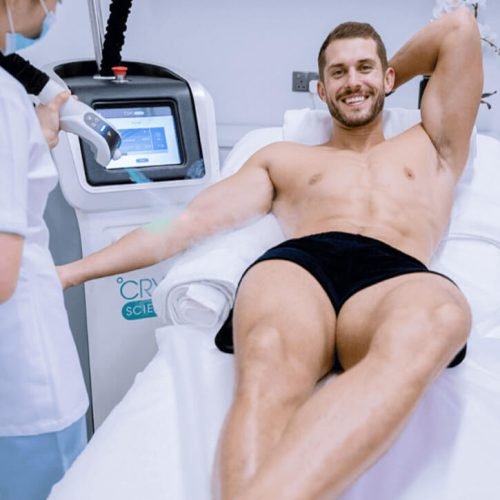
Localized cryotherapy is a targeted form of cold therapy that applies freezing temperatures to a particular part of the body, usually with a portable device that shoots nitrogen gas or cold air. The intense cold narrows the blood vessels in the affected area, lowering pain and inflammation. It’s commonly used for both acute injuries, sprains, strains, muscle soreness, and chronic conditions like tendinitis and arthritis.
Key Takeaways
- Localized cryotherapy targets specific areas with cold to reduce pain and inflammation.
- Benefits include pain relief, reduced inflammation, improved recovery, and enhanced athletic performance.
- Athletes, individuals with chronic pain, and those recovering from injuries can benefit.
- It works by constricting blood vessels and reducing blood flow to the targeted area.
- Generally safe, but risks like skin irritation and frostbite exist if not used properly.
How a Session Works
Sessions typically last five to fifteen minutes, depending on the condition. The affected area is exposed to temperatures between -30°C (-22°F) and -60°C (-76°F), numbing the area and relieving pain right away. The targeted approach allows precise control over the application of cold therapy.
Benefits
| Metric | Result |
|---|---|
| Reduction in Inflammation | Up to 50% |
| Pain Relief | Immediate |
| Improved Blood Circulation | Yes |
| Accelerated Healing | Yes |
A key advantage is relieving specific pain without affecting the whole body, ideal for people who only need treatment for a particular area or can’t tolerate whole-body cryotherapy. By reducing inflammation and stimulating circulation in the affected area, it can hasten the body’s natural healing process and improve range of motion and mobility.
Localized vs. Whole-Body
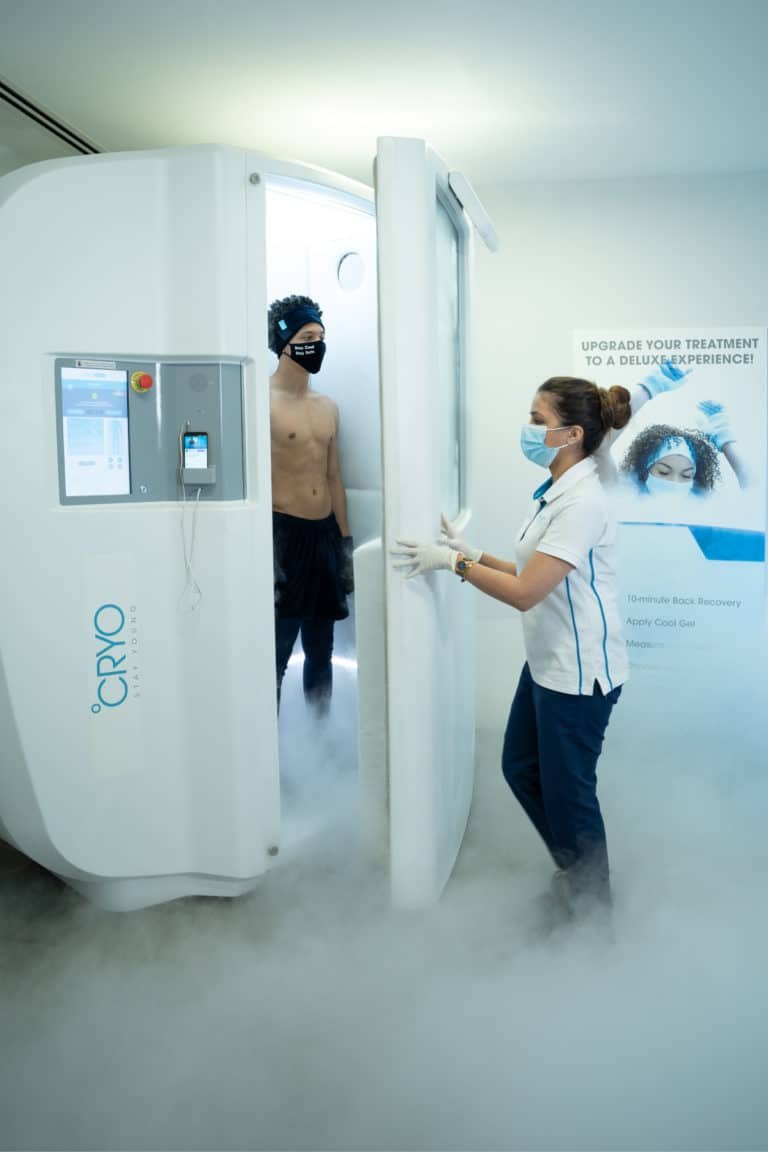
Whole-body cryotherapy subjects the entire body to extreme cold in a chamber for two to four minutes for general wellness and recovery. Localized cryotherapy targets a particular area, making it a more focused and precise option for localized injuries or pain, and it can be administered conveniently via handheld devices or localized cryochambers.
Risks & Considerations
Frostbite or skin irritation can occur if treatment runs too long or too cold, so monitor the skin and follow recommended duration and temperature settings. People with conditions such as peripheral vascular disease or Raynaud’s disease, pregnant women, and those with sensory disorders should consult a healthcare provider first.
FAQs
What conditions can it treat? Sports injuries, muscle soreness, arthritis, and other musculoskeletal conditions, as well as post-surgical recovery and chronic pain management.
How long does a session last? Typically between 5 and 15 minutes, depending on the treatment and individual needs.
Are there contraindications? It may not be suitable for those with cold intolerance, Raynaud’s disease, or peripheral vascular disease, consult a professional first.