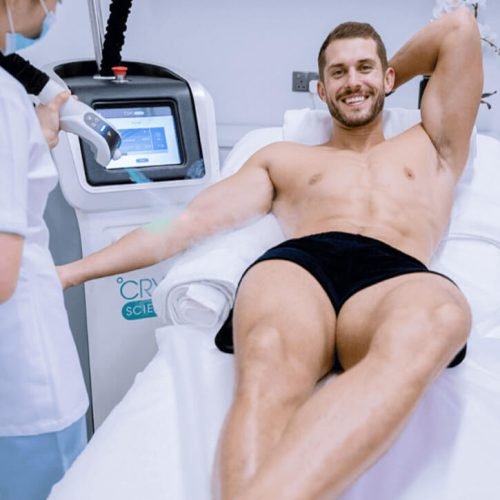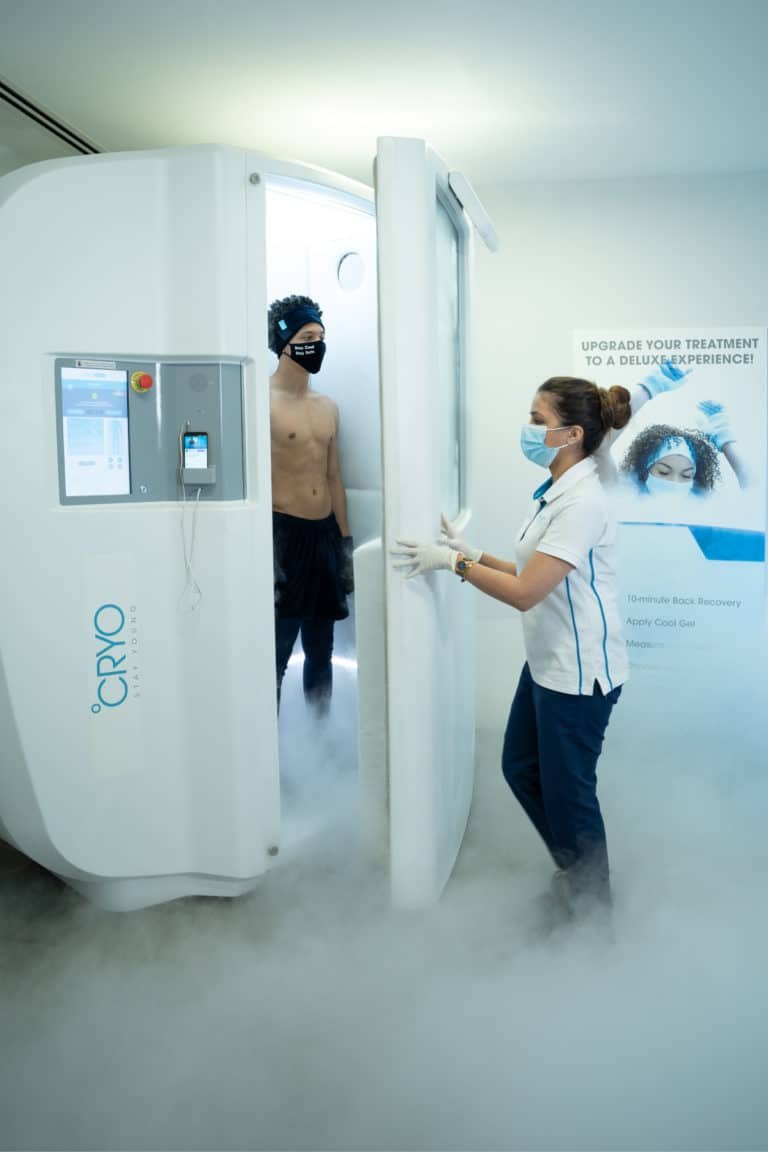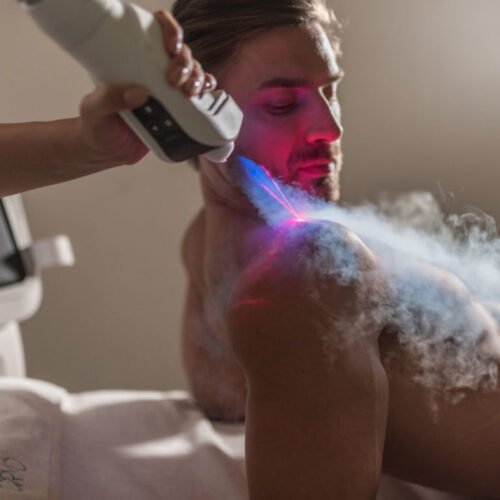
By briefly exposing the body to extremely low temperatures, Whole Body Cryotherapy (WBC) is a contemporary wellness treatment. In a cryotherapy chamber filled with chilled air or liquid nitrogen, participants’ skin temperature is lowered during a session. With skin temperatures potentially falling to -200°F (-129°C), sessions usually last between two and four minutes. This quick cooling causes the body to enter a systemic response mode with a number of physiological effects. WBC has gained popularity as an adjunctive wellness strategy — especially among athletes, fitness enthusiasts, and people looking to reduce pain or inflammation.
Key Takeaways
- Whole Body Cryotherapy involves exposing the body to extremely cold temperatures for a short period, typically 2–4 minutes.
- Benefits may include reduced inflammation, pain relief, improved recovery after exercise, and increased energy levels.
- The cold temperatures can trigger the body’s natural healing processes and the release of endorphins.
- To prepare, wear dry, loose-fitting clothing and remove all jewelry and metal objects.
- During a session, expect a sudden drop in temperature, a tingling sensation, and a rejuvenated feeling afterward.
- After a session, avoid hot showers, engage in light physical activity, and stay hydrated to aid recovery.
- Consult a healthcare professional before starting.
WBC is not a medical treatment and should not replace professional medical advice. While generally regarded as safe for healthy individuals under proper supervision, possible adverse effects include skin irritation, frostbite, and, in some cases, breathing difficulties.
Benefits at a Glance
| Duration | Temperature | Benefit |
|---|---|---|
| 2–4 minutes | -110°C to -140°C | Reduced inflammation |
| 2–4 minutes | -110°C to -140°C | Improved muscle recovery |
| 2–4 minutes | -110°C to -140°C | Increased energy levels |
| 2–4 minutes | -110°C to -140°C | Enhanced skin rejuvenation |
Recovery, Pain & Mood
Reduced muscle soreness and faster recovery from strenuous exercise are among the most often-cited advantages — which is why athletes use WBC to expedite recovery. It is also thought to lower inflammation throughout the body, which may benefit people with long-term pain conditions such as fibromyalgia or arthritis. Many people report an immediate improvement in mood after a session, likely related to the release of endorphins, along with increased energy, better sleep, and improved mental clarity.
The Science
WBC’s scientific basis is the body’s systemic response to intense cold. Vasoconstriction (the narrowing of blood vessels) helps reduce swelling and inflammation, the intense cold triggers the natural release of endorphins, and the abrupt drop in skin temperature increases blood flow and circulation as the body works to maintain its core temperature — improving the delivery of nutrients and oxygen to tissues.
How to Prepare
Choose a trustworthy facility with qualified staff, hydrate well throughout the day before, and avoid applying lotions, oils, or creams on the day of your session. Dress modestly — typically underwear or a swimsuit, with gloves and socks to protect your extremities — and remove any metal jewelry or accessories before entering the chamber.
Aftercare
Hydrate to replenish fluids and electrolytes, and do light physical activity such as walking or gentle stretching to boost circulation and help the body remove toxins. Temporary side effects like skin redness or irritation are possible but usually fade within a few hours. With appropriate aftercare and a personalized approach, many people find cryotherapy becomes an essential part of their holistic approach to health and vitality.