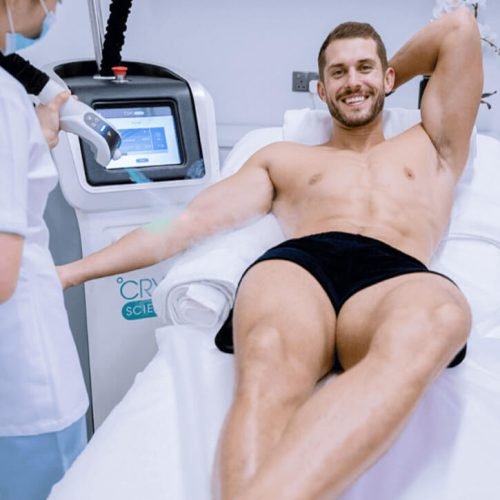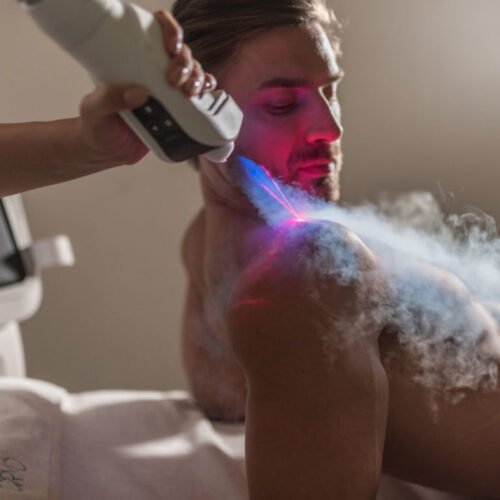
Cryotherapy, also known as cold therapy, briefly exposes the body to extremely low temperatures. Because it can narrow blood vessels and lower inflammation, the treatment is effective in reducing pain and accelerating healing. Blood vessels constrict in cold environments, reducing blood flow to the affected area, which helps reduce swelling and inflammation, frequent causes of discomfort.
Cold also numbs nerve endings, providing instant pain relief, while cryotherapy triggers the release of endorphins, the body’s natural painkillers, which can elevate mood and lessen anxiety and depression. The therapy may also strengthen the body’s defenses by inducing a reaction that raises white blood cell production.
Lowering Inflammation and Pain
Reducing pain and inflammation is one of cryotherapy’s most well-known advantages. By narrowing blood vessels and numbing nerve endings, cryotherapy can offer instant pain relief for a variety of conditions, including arthritis, sore muscles, and injuries, and hasten healing from wounds and surgeries.
Circulation, Metabolism & Weight
Cryotherapy helps enhance cardiovascular health and circulation: the circulatory system narrows blood vessels in response to cold, which then enlarge as body temperature rises. It can also speed up metabolism, the body works harder to keep its core temperature stable when cold, which can increase calorie expenditure over time.
Mental Health Benefits
The body naturally produces mood-enhancing endorphins in response to cold temperatures, which can lessen tension and anxiety. Cryotherapy can also enhance sleep quality and improve focus and mental clarity through the release of adrenaline and noradrenaline.
Athletic Performance
Athletes increasingly use cryotherapy to mitigate muscle soreness and fatigue after rigorous training or competition, improve stamina and endurance through better circulation and oxygen delivery, and recover from injuries and hard training more quickly.
What to Expect in a Session
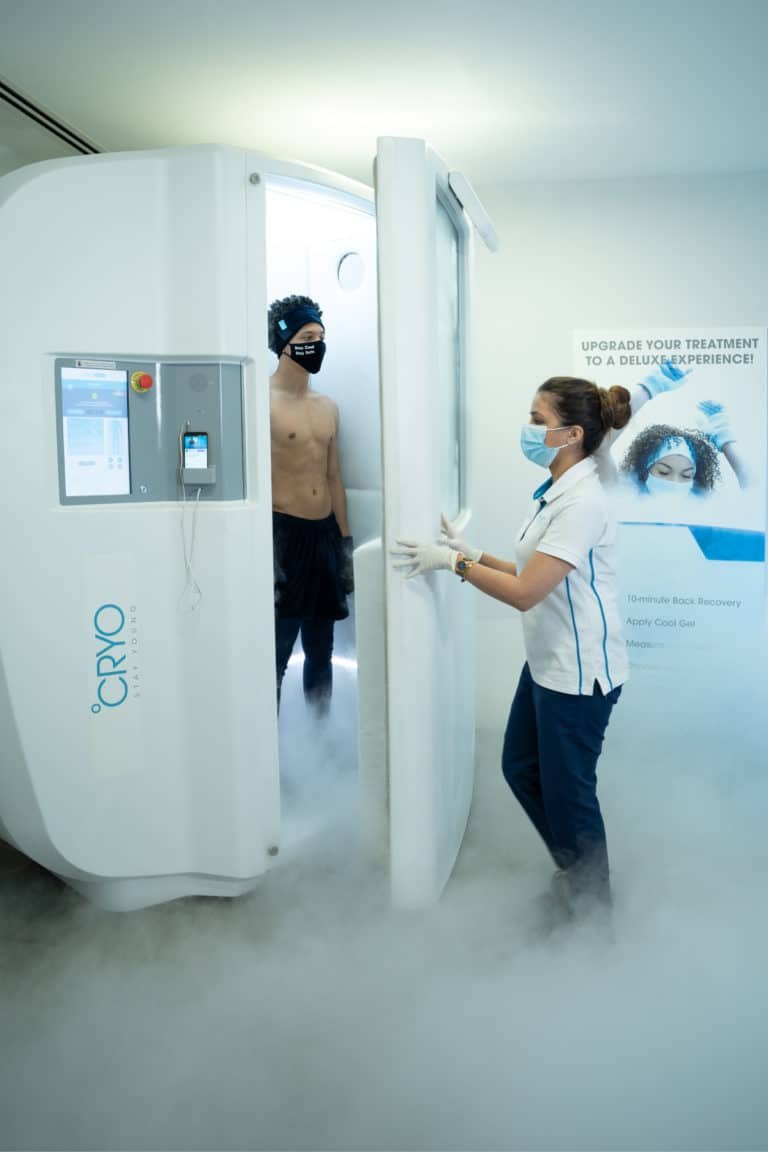
Whole-body cryotherapy, the most popular type, involves standing in a cold air-filled chamber for two to four minutes. Wearing protective gear such as gloves, socks, and slippers may be necessary to prevent frostbite on the extremities. Participants usually feel a sharp drop in temperature, down to about -200°F (-130°C). Although the cold is intense, many people find the feeling bearable and even energizing thanks to the endorphins released. Afterward, participants may feel heightened energy, elevated mood, decreased pain and inflammation, and improved mental clarity.
Risks & Side Effects
Possible side effects include burns or skin irritation, frostbite from prolonged exposure or inadequate protective gear, and lightheadedness or dizziness. Anyone interested in cryotherapy should consult a medical professional first to make sure it is safe and suitable, and combine it with other healthy habits like regular exercise, a balanced diet, and adequate sleep.