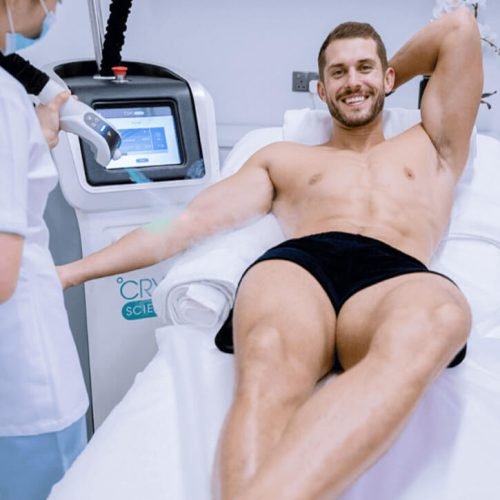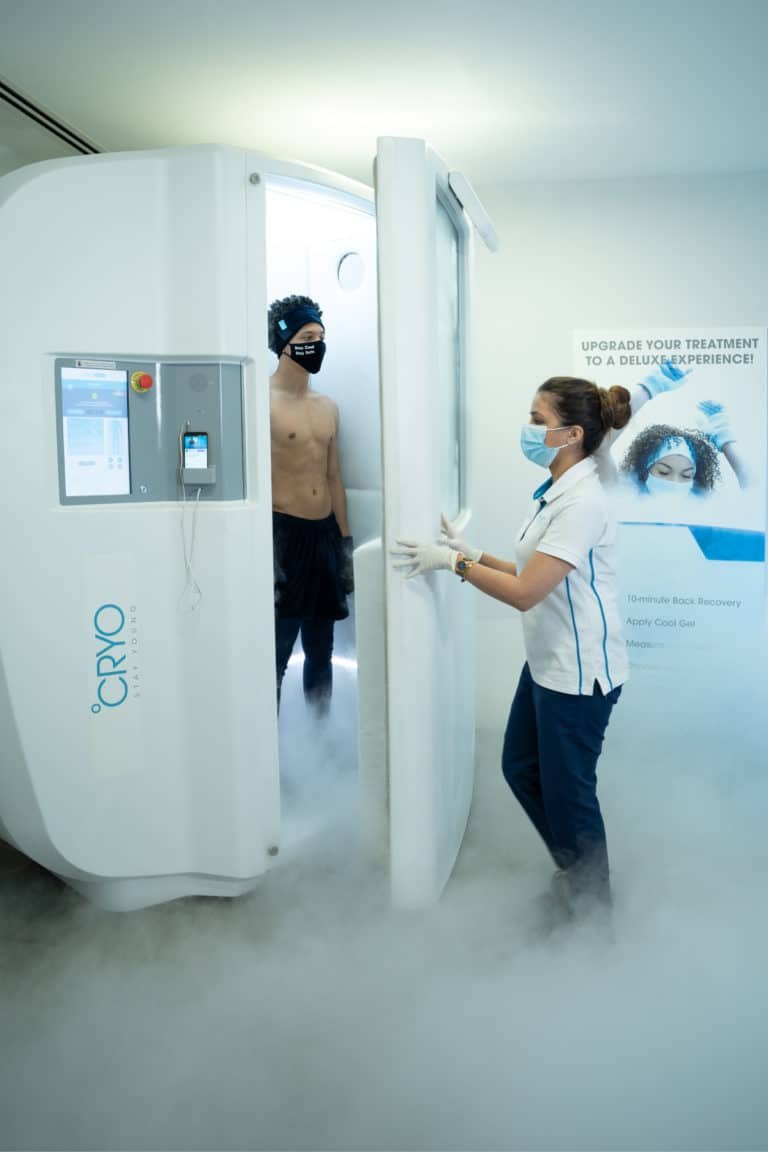
In sports and athletics, cryotherapy — also known as cold therapy — is a well-liked form of recovery. It involves using cryochambers, ice packs, or ice baths to briefly expose the body to extremely low temperatures. Athletes use it to speed up recovery from rigorous training or competition, lessen inflammation, and ease sore muscles. The basic idea: low temperatures constrict blood vessels and slow tissue metabolism, lowering swelling and inflammation.
Key Takeaways
- Cryotherapy exposes the body to extremely cold temperatures for a short period to promote recovery and enhance athletic performance.
- It can reduce muscle soreness, inflammation, and oxidative stress, leading to faster recovery times.
- It can enhance performance by increasing blood flow, reducing fatigue, and improving muscle function.
- It also offers mental benefits — reducing stress and anxiety, and improving mood and well-being.
Minimizing Pain & Inflammation
Cryotherapy lowers the body’s concentrations of pro-inflammatory cytokines, minimizing inflammation and accelerating healing. By targeting inflammation at the cellular level, it helps athletes feel less pain, recover faster, and lower the chance of long-term overuse injuries.
Boosting Recovery & Output
| Performance Metric | Before Cryotherapy | After Cryotherapy |
|---|---|---|
| Endurance | 20 minutes | 25 minutes |
| Recovery Time | 2 days | 1 day |
| Strength | 100 lbs | 110 lbs |
| Flexibility | Moderate | High |
After strenuous exercise, microscopic tears in muscle fibers and the build-up of metabolic waste cause soreness. By lowering inflammation and blood flow to the affected areas, cryotherapy relieves muscle soreness, helping athletes heal more quickly and resume training with less difficulty.
Energy & Endurance
Norepinephrine — a hormone essential for boosting energy, focus, and alertness — is released when the body is exposed to cold. Cryotherapy also increases endurance by lowering fatigue and raising the body’s tolerance to physical stress, letting athletes train at higher intensities for longer.
Mental Health Benefits
Through endorphin release, cryotherapy promotes relaxation, lowers stress, and improves mood. It has also been found to improve sleep by encouraging the release of melatonin — essential for the body to heal and regenerate tissue.
Safety Considerations
Cryotherapy should be administered by trained professionals who can monitor the athlete’s response. Athletes must follow recommended protocols to minimize the risk of frostbite or skin damage, communicate any discomfort, and consult a healthcare provider first if they have specific medical conditions or cold sensitivity.
FAQs
How does cryotherapy benefit athletes? It helps reduce inflammation, muscle soreness, and pain — useful for recovering from intense training or injuries — and may improve recovery time and overall performance.
How often should athletes use it? It varies; some benefit from regular sessions as part of their recovery routine, others use it as needed for specific injuries or soreness.
Is it suitable for all athletes? Not necessarily — those with cold intolerance, Raynaud’s disease, or uncontrolled hypertension should consult a healthcare professional first.