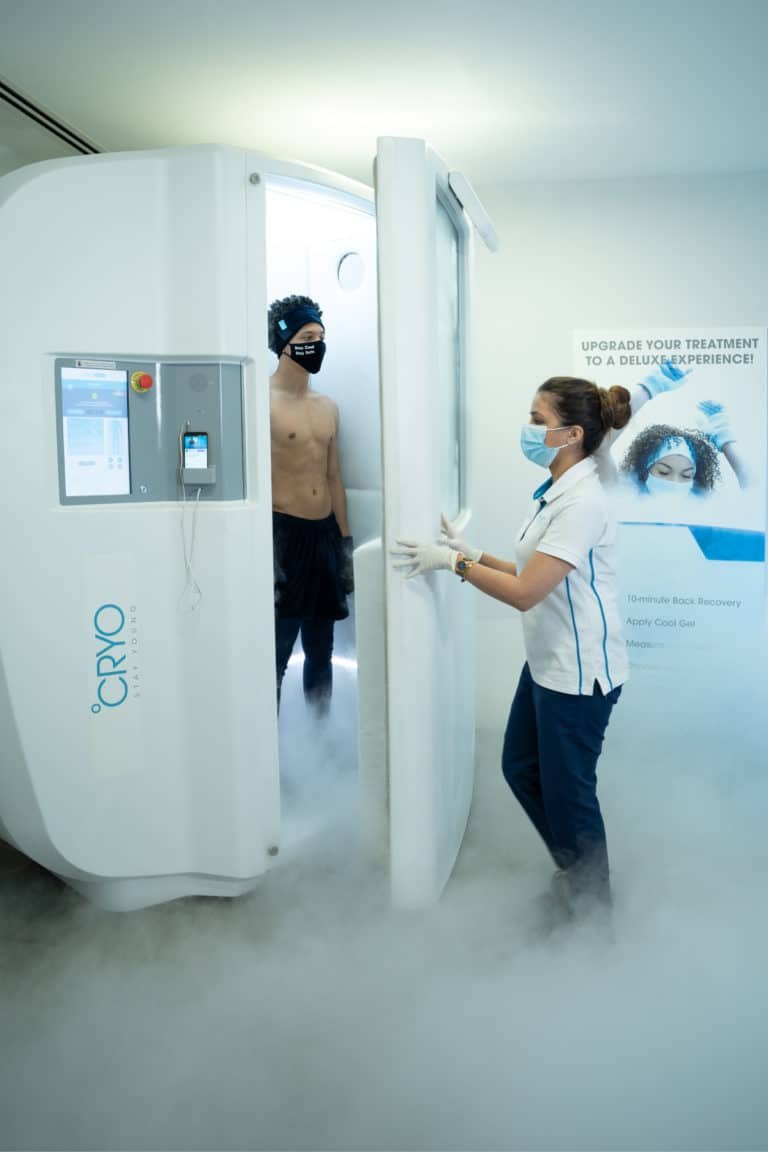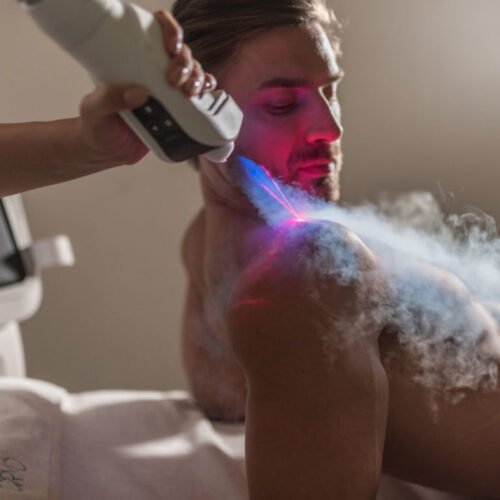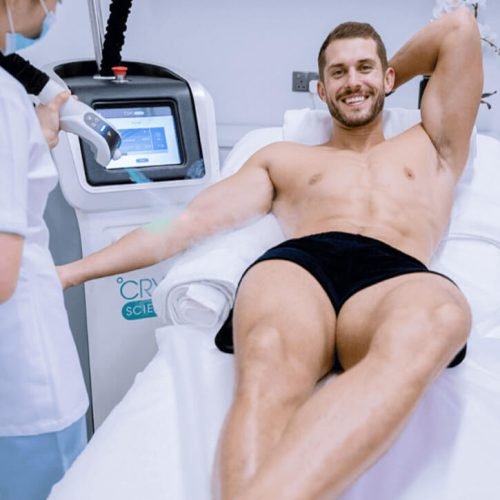
The medical procedure known as cryotherapy, also known as cold therapy, involves briefly subjecting the body to extremely low temperatures. There are several ways to achieve this, such as using ice packs, ice baths, and specialized cryo-chambers. Lowering inflammation, easing pain, and improving general health and well-being are cryotherapy’s main goals.
Cryotherapy has become increasingly popular in recent years as people seek treatment for a variety of health issues, ranging from arthritis to muscle soreness. There are two primary ways that cryotherapy can be used: either as a whole-body treatment or as localized treatment for particular body parts. Whole-body cryotherapy is thought to have broader effects on the body than localized cryotherapy, which concentrates on specific areas of pain or inflammation.
Healing and Inflammation Reduction
The efficacy of cryotherapy resides in its capacity to lessen inflammation and encourage the body’s natural healing process. Blood vessels narrow in response to low body temperature, which lowers blood flow to the affected area. This reduction in blood flow has the potential to lessen pain and accelerate healing by reducing swelling and inflammation. There’s also the immediate pain relief benefit of the cold temperature’s ability to numb nerve endings.
Enhancing the Body’s Natural Mechanisms
Beyond reducing inflammation, whole-body cryotherapy is believed to trigger a series of reactions when the body is exposed to extreme cold. This involves boosting norepinephrine levels, a hormone that can help elevate mood and enhance cognitive performance, as well as releasing endorphins, the body’s organic painkillers. The cold temperature also increases circulation and encourages the synthesis of collagen and elastin, which can enhance the health of the skin.
Physical and Mental Benefits
One of cryotherapy’s main advantages is its capacity to lessen pain and inflammation, especially helpful for people with injuries, muscle aches, or arthritis. As the body warms up again, blood flow increases and delivers new nutrients and oxygen to the area, aiding healing and helping the body remove toxins and metabolic waste.
Cryotherapy has also been demonstrated to improve skin health by increasing collagen and elastin synthesis, and to provide mental and emotional advantages: lowering stress and anxiety, elevating mood through endorphin release, and raising norepinephrine levels to enhance concentration. Many people report a feeling of euphoria or a “natural high” after a session.
Athletic Performance
Athletes have long used cryotherapy to improve performance and speed up recovery. By lowering inflammation and encouraging the body’s natural healing process, cryotherapy can help athletes recover more quickly and return to training sooner, while improving focus and mental clarity before competition.
Medical Applications
Cryotherapy is used to help relieve arthritis symptoms, treat skin disorders such as dermatitis, psoriasis, and eczema, and, through cryoablation, to target certain cancer cells with intense cold as a less-invasive option.
Risks & Safety Considerations
Although there are many potential advantages, it’s crucial to consider the risks. Frostbite or skin damage from extended exposure is a primary concern, and some people may experience lightheadedness or dizziness from the abrupt drop in body temperature. People with underlying medical conditions or cardiovascular problems should consult a healthcare provider before treatment. By adhering to recommended safety procedures and seeking medical advice, individuals can minimize risks and optimize the benefits of cryotherapy.