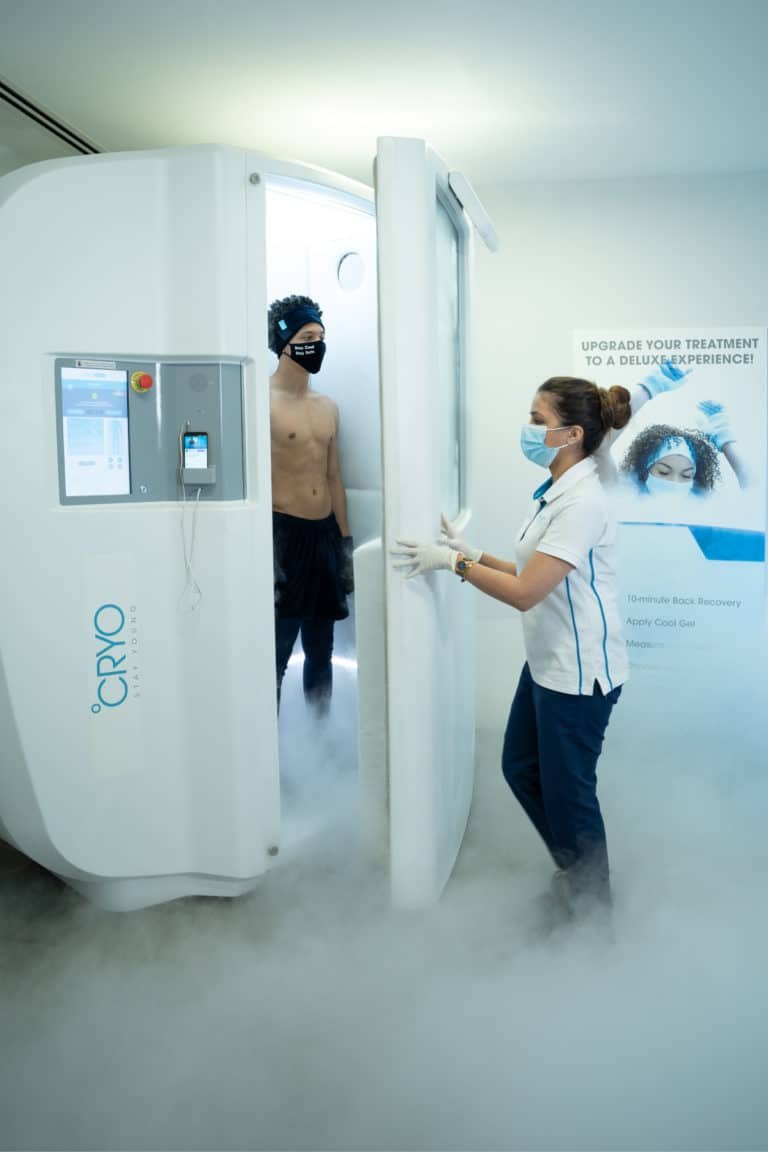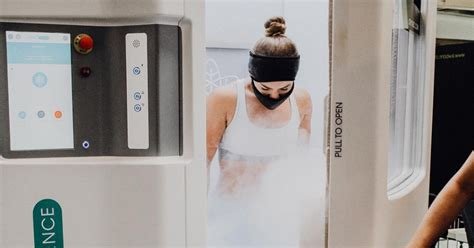
During cryotherapy, also known as cold therapy, the body is exposed to extremely low temperatures for brief periods. This can be achieved through ice packs, ice baths, and specialized cryotherapy chambers. The basic idea is to lessen pain and inflammation by narrowing blood vessels, which lowers blood flow to particular regions — reducing edema, easing muscle aches, and accelerating the healing of damaged tissues.
Key Takeaways
- Cryotherapy exposes the body to extremely cold temperatures for a short period to help with pain relief and other health benefits.
- It works by reducing inflammation, numbing irritated nerves, and releasing endorphins — natural painkillers.
- Benefits include reduced muscle soreness, improved joint function, and accelerated recovery from injuries.
- It can benefit athletes, individuals with chronic pain conditions, and those recovering from injuries or surgeries.
- Potential risks include skin irritation, frostbite, and dizziness — follow safety guidelines and consult a healthcare professional.
There are two main approaches: whole-body cryotherapy (WBC), which subjects the whole body to sub-freezing temperatures in a specially designed chamber, and localized cryotherapy, which targets particular body parts with ice packs or cold air. Both aim to relieve pain and encourage the body’s natural healing process.
How It Relieves Pain
Blood vessel constriction in response to cold lessens inflammation and swelling — especially helpful for tendinitis, arthritis, or strained muscles. Cryotherapy also numbs nerve endings for temporary pain relief, which is valuable for managing acute pain after surgery, and slows nerve impulses to reduce muscle spasms. The release of endorphins lessens the perception of pain and promotes a feeling of wellbeing.
Benefits in Numbers
| Benefit | Statistic |
|---|---|
| Reduction in pain and inflammation | 85% of patients reported pain relief |
| Improved recovery time | 70% faster recovery for athletes |
| Boost in metabolism | 500–800 calories burned per session |
| Enhanced mood and energy | 90% of clients reported improved mood |
Who Can Benefit
Athletes use cryotherapy to ease muscle soreness and speed recovery after training or competition; people with chronic conditions such as arthritis, fibromyalgia, or neuropathy may find relief from inflammation and momentary pain; and those recovering from surgery or injury benefit from reduced tissue damage and swelling, enabling higher mobility and a quicker recovery.
Risks & Safety
While generally considered safe, prolonged exposure can cause frostbite or skin damage, and some people may react to the cold with skin irritation or hives. Whole-body sessions carry a small risk of hypothermia, so professional supervision is essential. People with conditions like heart disease or hypertension should consult a healthcare professional first.
FAQs
What is cryotherapy? A treatment that exposes the body to extremely cold temperatures for a short period — via ice packs, ice baths, or cryotherapy chambers.
How does it work for pain relief? It numbs the affected area and reduces inflammation; the cold constricts blood vessels, reducing swelling and providing temporary relief.
What conditions can it help with? Pain associated with arthritis, muscle soreness, sports injuries, and post-surgical recovery.
Are there risks or side effects? Possible skin irritation, frostbite, and — rarely — nerve damage. Follow proper safety guidelines and consult a professional.
How long does relief last? It varies by individual and condition; some feel immediate relief lasting several hours, while others need multiple sessions for longer-lasting effects.
Is it suitable for everyone? Not necessarily — those with conditions such as Raynaud’s disease, cold allergies, or nerve damage should consult a healthcare professional first.