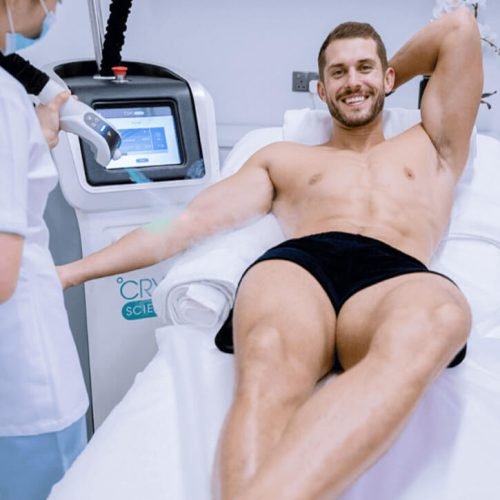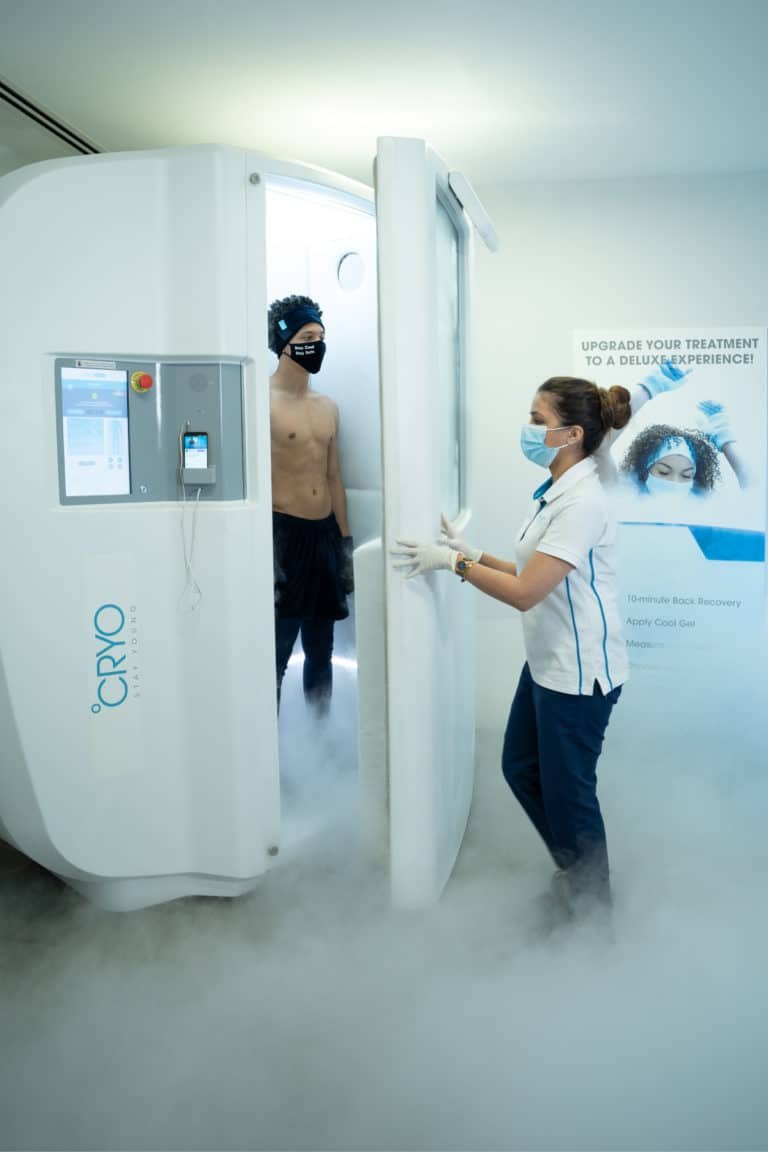
Cryotherapy, or cold therapy, briefly subjects the body to extremely low temperatures, via ice packs, cold-water immersion, or whole-body cryotherapy chambers. By narrowing blood vessels and lowering blood flow to damaged areas, it primarily relieves pain and inflammation, and is believed to numb nerves to lessen pain and discomfort.
Key Takeaways
- Cryotherapy exposes the body to extremely cold temperatures for a short period to reduce inflammation and promote healing.
- It reduces inflammation by constricting blood vessels and decreasing blood flow to the affected area.
- Benefits include reduced pain, improved recovery time, and increased mobility.
- Athletes, people with chronic pain or inflammation, and those recovering from injuries can benefit.
- Potential risks include skin irritation, frostbite, and dizziness, consult a professional first.
How It Reduces Inflammation
Extreme cold causes the body to reroute blood flow from the extremities to vital organs to maintain core temperature. This vasoconstriction lessens swelling and inflammation in affected areas, while the abrupt drop in temperature numbs nerve endings for immediate pain relief.
The Science
| Study | Findings |
|---|---|
| Study 1 | Reduced inflammation markers |
| Study 2 | Decreased pain and swelling |
| Study 3 | Improved recovery time |
Beyond vasoconstriction, cryotherapy triggers the release of endorphins, natural painkillers that elevate mood, and has been shown to lower pro-inflammatory cytokine levels, helping modulate the immune response and encourage a more balanced inflammatory state.
Who Can Benefit
Athletes use it after intense training to reduce muscle soreness; people with chronic inflammatory conditions like arthritis or fibromyalgia may find reduced pain and improved mobility; and those recovering from surgery or acute injuries (sprains, strains) benefit from reduced swelling and faster healing.
Risks & Side Effects
Skin irritation and frostbite are the most common risks, especially without adequate protection, wear gloves and socks and follow safety guidelines. Some people feel lightheaded due to the temperature drop. People with heart disease or hypertension, those who are pregnant, or who have nerve damage should consult a healthcare provider first.
Safety Precautions
Choose a reputable facility with qualified staff, follow pre-treatment instructions (avoid caffeine and alcohol, wear natural-fiber clothing, skip lotions and oils), and stay well hydrated before and after to support your body’s natural healing.
FAQs
How does it work for inflammation? It constricts blood vessels and reduces blood flow to a specific area, reducing inflammation and swelling, and numbs nerve endings for pain relief.
What conditions can it help with? Inflammation from injuries such as sprains, strains, and muscle soreness, as well as chronic conditions like arthritis.
Is it suitable for everyone? Not necessarily, those with Raynaud’s disease, cold allergies, or uncontrolled hypertension should consult a healthcare professional first.